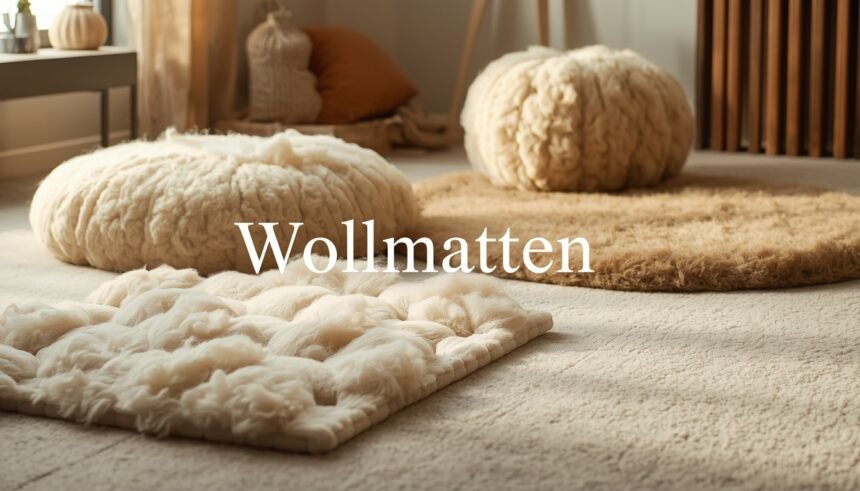
If you have recently come across the word Wollmatten, you may wonder what it actually means and whether it refers to a particular type of wool product. In simple terms, Wollmatten is a German term generally associated with wool mats. The word can describe different wool-based mats rather than one specific brand, product, or standardized design.
Depending on how they are manufactured, Wollmatten can be used for flooring, comfort, insulation, sound control, furniture protection, crafts, gardening, and other practical purposes. Their exact performance depends on the wool content, thickness, density, construction, backing, and intended application.
What Is Wollmatten?
Wollmatten means “wool mats” in German. The term is associated with Wolle, meaning wool, and Matten, referring to mats. The singular form is generally Wollmatte, while Wollmatten refers to multiple wool mats. It is a broad descriptive term rather than the name of one particular product.
This distinction is important because two products described as Wollmatten can look and perform very differently. One may be a soft decorative floor mat, while another could be a dense felt material designed for insulation, protection, or sound absorption. Therefore, the intended use is just as important as the word itself.
What Materials Are Wollmatten Made From?
The primary material associated with Wollmatten is wool, most commonly sheep’s wool. Wool is a natural animal fiber made mainly from keratin. Its naturally crimped structure can trap air, which contributes to its insulating and cushioning properties. This makes wool useful for products that need warmth, softness, resilience, or moisture management.
However, not every Wollmatte is made from 100% wool. Depending on the manufacturer and purpose, a mat may contain blended fibers, synthetic support materials, backing, adhesives, dyes, or protective treatments. Anyone looking for a pure-wool or highly natural product should therefore check the complete material specification instead of relying only on the product name.
How Are Wollmatten Made?
The manufacturing method depends on the type of mat being produced. Wool fibers can be felted, compressed, woven, tufted, or needle-punched to create different textures and levels of firmness. Felted wool, for example, uses fibers that are mechanically or otherwise processed into a dense sheet, while woven products use interlaced yarns to create a more traditional textile structure.
Manufacturers may also add a backing or structural layer when a mat needs additional stability. A decorative floor mat may prioritize appearance and softness, while an insulation mat may prioritize density, thermal performance, and installation requirements. This variation explains why Wollmatten should be judged according to their specific application rather than as one uniform product category.
Main Types of Wollmatten
1. Decorative Wool Mats
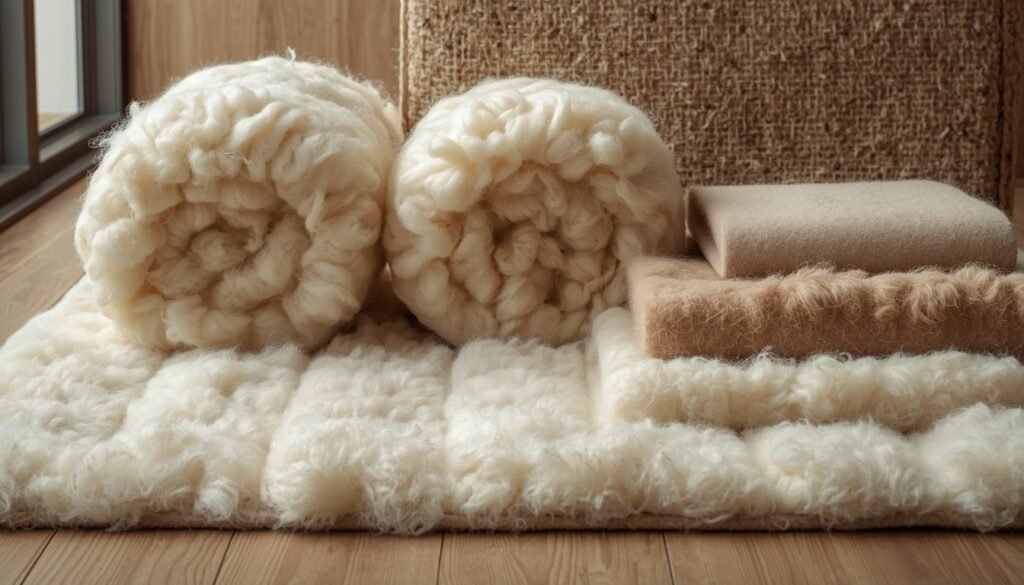
Decorative wool mats are commonly used inside homes, offices, bedrooms, living rooms, and other interior spaces. They can add warmth, texture, and comfort to hard flooring while also contributing to the visual appearance of a room.
These mats may be woven, tufted, felted, or produced using other textile techniques. When choosing one for a living space, factors such as size, thickness, wool content, backing, shedding, durability, and cleaning requirements are more important than the word Wollmatten itself.
2. Felted Wool Mats
Felted wool mats are made by compacting or interlocking wool fibers into a relatively dense material. They can provide cushioning and protection and may be used for furniture, crafts, work surfaces, equipment, or other applications where a soft but firm material is useful.
Their performance depends heavily on density and thickness. A thin felt pad and a thick industrial felt mat should not be expected to perform the same function, even though both are wool-based products.
3. Wool Insulation Mats
Some wool-based mats are specifically designed for thermal insulation. Wool fibers can trap air and slow heat transfer, making appropriately manufactured wool insulation useful in certain building applications.
However, insulation-grade products should not be confused with ordinary decorative wool mats. Building insulation needs appropriate technical specifications, including information about thermal performance, fire classification, thickness, installation, and intended construction use.
4. Acoustic Wool Mats
Wool can also be useful for sound-related applications because fibrous materials can absorb and diffuse some sound energy. Dense or specially engineered wool mats may therefore be used in acoustic treatments, depending on their design.
The important point is that ordinary wool flooring should not automatically be considered professional acoustic insulation. Actual sound performance depends on material density, thickness, room design, frequency range, and installation.
5. Garden and Outdoor Wool Mats
Some wool-based mats are designed for gardening and outdoor applications. These may be used around plants, containers, or soil for purposes such as surface protection, moisture management, or weed suppression.
Outdoor wool products are different from indoor decorative mats. Their durability, moisture behavior, biodegradability, and treatment level should be checked before use. A product intended to remain outdoors needs to be selected according to the environmental conditions where it will be placed.
Common Uses of Wollmatten
Wollmatten have a surprisingly broad range of applications because wool can provide several useful physical characteristics. In homes, they can be used as floor coverings, bedside mats, decorative pieces, or comfortable surfaces. In practical environments, dense wool materials may be used for padding, protection, crafts, or sound-related applications.
Depending on their construction, wool mats can also be relevant to insulation, gardening, and specialized textile work. This wide range is one reason the term can appear in very different search results. The same basic material can be processed into products with completely different functions.
Key Benefits of Wollmatten
Natural Warmth and Comfort
One of the main advantages of wool is its ability to provide a naturally warm and comfortable feel. Wool fibers contain spaces that can trap air, helping reduce heat transfer. This can make a wool mat feel warmer underfoot than a bare hard floor.
The actual level of warmth depends on the mat’s thickness, density, construction, and the surface underneath it. A thin decorative mat and a thick wool insulation product should therefore not be expected to provide identical thermal performance.
Moisture Management
Wool has the ability to interact with moisture vapor, which is one reason it has traditionally been valued in clothing and interior textiles. This characteristic can contribute to comfort in appropriate applications.
However, moisture management does not mean waterproofing. A wool mat can absorb moisture, and excessive water or prolonged dampness may cause problems. Wollmatten should therefore be protected from standing water and allowed to dry properly when they become wet.
Durability and Resilience
Good-quality wool fibers can be resilient and capable of recovering from repeated compression. This is particularly useful for floor coverings and other products that experience regular use.
Durability still depends on the quality and construction of the specific product. Heavy traffic, poor maintenance, excessive moisture, direct sunlight, and unsuitable cleaning methods can shorten the useful life of a wool mat.
Sound Absorption
Fibrous materials can help reduce reflections and absorb some sound, and wool-based materials can therefore have acoustic applications. A wool mat may help soften the sound of footsteps or reduce some room reflections.
Nevertheless, a decorative Wollmatte should not automatically be treated as a professional soundproofing product. Soundproofing and acoustic treatment involve different technical requirements, and performance should be verified using product-specific information.
Renewable Natural Fiber
Wool comes from sheep and is a renewable natural fiber. Pure wool can also biodegrade under suitable environmental conditions. These characteristics make wool interesting to people who are looking for natural materials.
The environmental impact of a finished Wollmatte is more complicated, however. Farming, processing, dyes, backing materials, transportation, manufacturing, product lifespan, and disposal can all affect the overall environmental footprint.
Are Wollmatten Eco-Friendly?
Wollmatten can be a more natural material choice when they are made primarily from responsibly sourced wool and contain limited synthetic components. Wool is renewable, and untreated wool is biodegradable under appropriate conditions.
But it would be inaccurate to say that every Wollmatte is automatically eco-friendly. Some products contain synthetic fibers, adhesives, chemical treatments, or non-biodegradable backing. A better approach is to examine the complete material composition, manufacturing information, expected lifespan, care requirements, and disposal options before making an environmental judgment.
Wollmatten vs Synthetic Mats
The main difference between Wollmatten and synthetic mats is the material from which they are produced. Wool is a natural animal fiber with properties such as warmth, resilience, and moisture interaction. Synthetic mats may use materials such as polyester, polypropylene, nylon, or other manufactured fibers.
Neither category is automatically suitable for every purpose. Wool may be attractive when natural texture, warmth, and comfort are priorities, while synthetic materials may offer particular advantages in cost, stain resistance, water resistance, or specialized performance. The correct choice depends on the intended use.
How to Choose the Right Wollmatten
Before purchasing Wollmatten, first decide what you need the mat to do. A bedroom floor mat requires different characteristics from a gardening mat or building insulation product. Once the purpose is clear, compare the material composition, dimensions, thickness, density, backing, and construction method.
It is also useful to check cleaning instructions, moisture resistance, expected durability, and any technical certifications relevant to the application. If you are buying an insulation or specialized technical product, manufacturer specifications are especially important because appearance alone cannot tell you how well the material will perform.
How to Care for Wollmatten
Proper care can help extend the useful life of a wool mat. Regular gentle vacuuming can remove loose dirt and dust from many indoor wool mats. Small spills should generally be addressed promptly rather than being left to soak into the material.
Avoid assuming that every Wollmatte can be machine washed. Some wool products may shrink, distort, felt, or lose their shape when exposed to unsuitable washing methods. Always follow the manufacturer’s care instructions, particularly for products made from delicate or untreated wool.
Limitations of Wollmatten
Although Wollmatten have many useful properties, they are not perfect for every situation. Wool products can sometimes shed fibers, attract certain pests if poorly maintained, or require more careful cleaning than some synthetic alternatives. Excessive moisture can also create problems if the product is not designed for wet conditions.
Cost can be another consideration. High-quality wool products may be more expensive than basic synthetic mats. The higher price may be justified by the material, craftsmanship, durability, or intended performance, but buyers should compare specifications rather than choosing solely based on the word “wool.”
Conclusion
Wollmatten are best understood as wool mats rather than one specific product. Their uses can range from home flooring and decorative surfaces to felt pads, insulation, acoustic materials, and certain outdoor applications. Wool provides useful characteristics such as warmth, resilience, cushioning, and moisture interaction, which explains its continued use in many products.
The most important thing is to look beyond the name. Before choosing a Wollmatte, check its material composition, construction, thickness, density, intended use, maintenance requirements, and technical specifications. When selected for the right purpose, a well-made wool mat can combine natural material qualities with practical everyday performance.
FAQs
What does Wollmatten mean?
Wollmatten means wool mats in German. It is a general term associated with mats made fully or partly from wool. The term does not refer to one specific brand or standardized product.
What is the singular form of Wollmatten?
The singular form is generally Wollmatte. Wollmatten is the plural form used when referring to multiple wool mats.
Are Wollmatten made from 100% wool?
Not necessarily. Some products may use pure wool, while others can contain synthetic fibers, backing materials, adhesives, dyes, or other components. Always check the manufacturer’s material specification.
Are Wollmatten waterproof?
No. Wool can manage moisture vapor, but that does not make a wool mat waterproof. Prolonged exposure to water can damage some wool products, so the manufacturer’s moisture and care instructions should be followed.
Are Wollmatten good for flooring?
Many wool mats are suitable for indoor flooring because wool can provide warmth, cushioning, texture, and comfort. However, the best choice depends on traffic levels, room conditions, backing, thickness, and cleaning requirements.
Can Wollmatten be used for insulation?
Some specially manufactured wool mats are designed for insulation. These should be selected according to their technical specifications rather than using an ordinary decorative wool mat for construction purposes.
Are Wollmatten environmentally friendly?
Wool is a renewable natural fiber, and untreated wool can biodegrade under suitable conditions. However, the overall environmental impact depends on the complete product, including farming, manufacturing, dyes, backing, transportation, lifespan, and disposal.