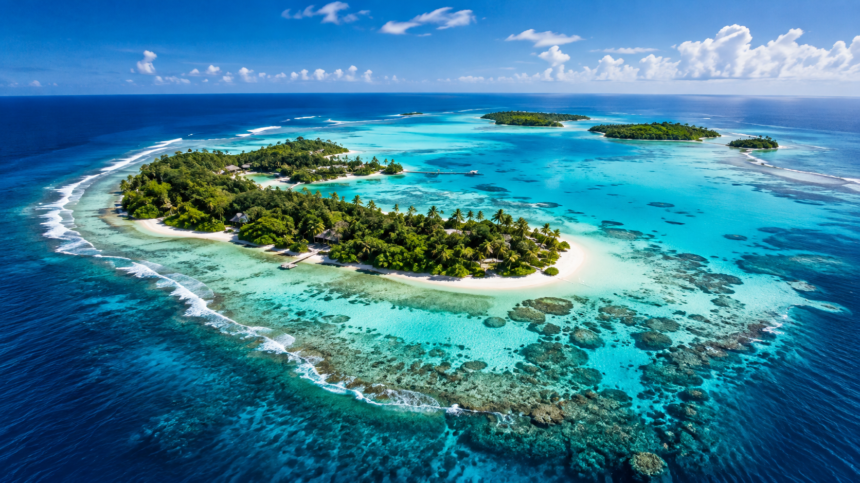
The Lucipara Islands are a remote group of small islands and reefs in Indonesia’s Banda Sea, far from the country’s better-known tourist destinations. Located in Maluku Province, the islands are surrounded by deep ocean and are best known for coral reefs, sea turtles, dramatic underwater walls, and their remarkable isolation.
Unlike places with airports, hotels, and regular ferries, Lucipara has very little conventional tourism infrastructure. Visitors generally reach the area as part of an organized sea expedition or liveaboard journey. That difficulty is also part of the attraction: Lucipara offers an opportunity to experience a marine environment that remains relatively far removed from mass tourism.
For divers, wildlife enthusiasts, photographers, and travelers interested in remote Indonesian destinations, Lucipara is particularly intriguing. Here is what to know about its location, marine life, diving conditions, history, travel logistics, and conservation efforts.
Where Are the Lucipara Islands?
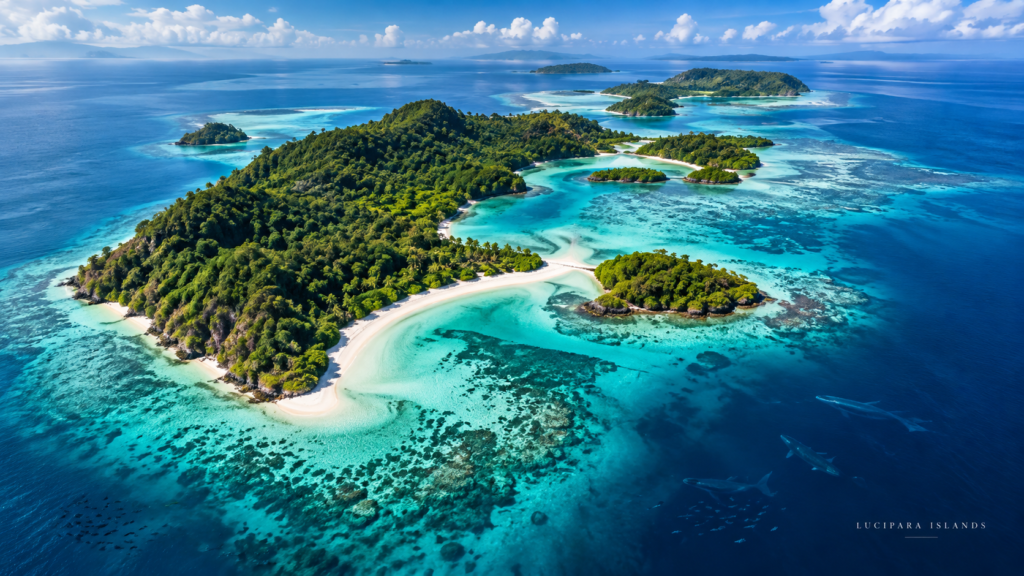
The Lucipara Islands lie in the Banda Sea in Maluku Province, eastern Indonesia. They are approximately 200 kilometers south of Ambon, although exact distances vary depending on the point measured and the route taken by a vessel. The Coral Triangle Center places the islands roughly 110 nautical miles from Ambon and about 100 nautical miles from the nearest local community on Rhun Island.
The group is associated with two island groups: the Penyu Island Group and the Maisel Island Group. The Coral Triangle Center identifies seven islands within these groups, including Bingkudu, Kadola, Mai, Maisel, Selatan, Karaungka, and Laponda.
Lucipara is sometimes encountered under alternative spellings and historical names, including Lousapara, Lucapin, Lusipari, and Lucipara Eilanden. These variations can make the destination slightly confusing to research, particularly when comparing older maps and modern expedition reports.
The islands themselves are tiny compared with the surrounding sea. Their real geographical importance lies beneath the surface, where steep underwater formations create habitat for coral communities, reef fish, turtles, and larger pelagic species.
| 🔗 You may also like: |
|---|
| Planning a Yacht Day |
| How to Plan the Ultimate Day Trip to Culebra, Puerto Rico |
Why Is Lucipara So Remote?
Lucipara is remote because it sits far from major population centers and conventional transportation routes. There is no commercial airport or normal tourist ferry service serving the islands, and there is no established resort infrastructure comparable with more developed Indonesian diving destinations.
The Seven Seas describes the Lucipara atolls as the tops of underwater mountains rising dramatically from the deep Banda Sea. This geological setting helps explain why the islands can appear small above water while dropping into deep ocean almost immediately beyond the reefs.
The lack of permanent tourist infrastructure means that a visitor cannot simply arrive and arrange accommodation locally. Expedition vessels need to carry the essentials, including accommodation, food, water, fuel, navigation equipment, and diving support.
That isolation has helped keep visitor numbers low, but it also means that conditions at sea can have a major effect on whether a planned itinerary reaches Lucipara.
What Makes Lucipara Special?
The main attraction is not conventional sightseeing. Lucipara is valuable because of its marine ecosystem and remote setting.
The surrounding reefs include steep walls, hard coral communities, reef flats, and deep-water environments. The wider Banda Sea is known for strong currents and excellent underwater visibility, conditions that can bring nutrient-rich water through reef systems and attract schooling fish and larger marine animals.
The islands are also important because they provide nesting habitat for green turtles. Their isolated beaches offer a relatively undisturbed environment compared with heavily developed coastal destinations.
For visitors, the experience is therefore less about checking off tourist attractions and more about observing a functioning marine ecosystem in a remote part of Indonesia.
Diving Around the Lucipara Islands
Reef Walls and Clear Water
Diving is one of the biggest reasons experienced travelers venture toward Lucipara. The underwater terrain can change quickly from shallow reef to steep drop-offs, creating classic wall-diving environments.
The Seven Seas describes the wider Banda Sea as having steep drop-offs, hard coral, strong currents, schooling jacks, tuna, turtles, Napoleon wrasse, groupers, rays, sharks, and other marine life. It specifically highlights Lucipara’s reef walls and visibility as major attractions.
Because Lucipara is an exposed ocean destination rather than a sheltered resort reef, divers should expect conditions to vary. Currents, waves, weather, and the experience of the dive team all matter.
Night Diving
Night diving can provide a completely different experience. One of the unusual creatures associated with Lucipara is Photoblepharon bandanensis, commonly called the flashlight fish because of its light-producing organs.
The Seven Seas identifies this species as a particular highlight of night dives in the Banda Sea and Lucipara area.
Other nocturnal marine life may also become active after sunset, making night dives especially interesting for experienced divers and underwater photographers.
Wildlife You May Encounter
Lucipara’s wildlife is primarily marine, and the species seen on any particular trip will depend on season, weather, depth, and natural animal movements.
Sea Turtles
Sea turtles are among Lucipara’s most important wildlife attractions. Green turtles and hawksbill turtles have been recorded around the islands, while the sandy beaches provide nesting habitat.
The conservation importance of these beaches goes beyond tourism. Turtle nesting areas can be vulnerable to marine debris, human disturbance, and changes to coastal habitat, which is why responsible visitation matters.
Reef Fish and Sharks
The reefs support a variety of fish, including schooling species and larger predators. Diving reports from the region mention sharks, rays, tuna, trevally, groupers, Napoleon wrasse, and other reef-associated species.
Sightings should never be treated as guaranteed. Lucipara is a wild environment rather than an aquarium, and animal activity changes naturally.
Whales and Pelagic Wildlife
The deep waters around the Banda Sea also create opportunities for encounters with larger open-ocean animals. Expedition accounts have reported sightings of whales while traveling through the region.
These encounters are one of the special possibilities of crossing such a remote stretch of ocean, although whale sightings depend entirely on natural conditions and should not be promised as part of a trip.
| 🔗 You may also like: |
|---|
| Wild Encounters in Paradise: Keeping Palm Beach Homes Safe From Unwanted Guests |
| 300-Hour Yoga Teacher Training in Thailand |
How to Get to the Lucipara Islands
For most international travelers, Ambon is the practical gateway to the region.
The usual journey begins with a flight to Ambon, followed by an organized vessel expedition. From there, travelers spend many hours at sea before reaching the Lucipara area.
The Seven Seas has documented expeditions traveling from Ambon across the Banda Sea toward Lucipara, while its destination information notes that Banda Sea itineraries can also connect Lucipara with other destinations in eastern Indonesia.
Because Lucipara has no conventional tourist accommodation, a liveaboard or expedition vessel is particularly important. The boat effectively becomes the traveler’s accommodation and operational base while exploring the islands.
Travel plans should therefore be made around the vessel’s published itinerary rather than assuming that Lucipara can be visited independently like a typical Indonesian island.
When Is the Best Time to Visit Lucipara?
The Banda Sea is strongly influenced by seasonal monsoon patterns. Weather conditions can affect crossings, anchoring, diving, and the overall comfort of a trip.
The Seven Seas lists May through November as the dry season for the wider Banda Sea and identifies October to December and March to April as particularly good diving periods, while also emphasizing that monsoon winds influence conditions.
For Lucipara specifically, the actual operating window can depend on the itinerary and the vessel. Travelers should therefore prioritize the dates offered by an experienced operator rather than relying on a single generic “best month.”
The most important consideration is not simply whether the sky is sunny. Sea state, wind direction, currents, and the safety of the long crossing are equally important.
The History of Lucipara
Lucipara also has an unusual connection with maritime history.
In 1837, the Dutch steamship Willem I was wrecked on a reef at Lucipara. Historical records preserved by the Stichting Maritiem Historische Data report that approximately 140 people were aboard and that the survivors spent an extended period on the reef before being rescued.
The incident became the subject of contemporary reports and later historical accounts. Records indicate that the survivors were eventually rescued after spending weeks on the Lucipara reef.
This episode gives the islands a second identity beyond their natural environment. For centuries, the Banda Sea has been an important maritime region, and Lucipara’s reefs were significant navigational hazards for vessels crossing these waters.
Fishing Around Lucipara
The deeper waters and reef structure around Lucipara also attract fishing expeditions. Reports from the region mention species such as tuna and giant trevally among the larger fish encountered around offshore reefs.
However, fishing needs to be considered alongside conservation. Lucipara’s ecological value depends on maintaining healthy reef systems and marine populations.
Visitors should follow local regulations and the practices of responsible operators. Catch-and-release approaches, where appropriate and legally permitted, can reduce pressure on sensitive populations, while avoiding destructive fishing methods is essential for reef health.
Lucipara and Marine Conservation
Lucipara is increasingly receiving attention from conservation organizations and government agencies.
The Coral Triangle Center conducted ecological and socioeconomic surveys in Lucipara in 2021 as groundwork for developing marine protection measures.
More recently, in March 2026, the Maluku Marine Affairs and Fisheries Department, Coral Triangle Center, and Yayasan Konservasi Alam Nusantara agreed to strengthen collaboration toward establishing and managing Lucipara as a Marine Protected Area (MPA). Their roadmap extends to 2028 and includes MPA designation, institutional development, sustainable financing, stakeholder engagement, and partnership building.
This is significant because conservation in a remote marine environment requires more than simply drawing boundaries on a map. Effective management also needs scientific information, local participation, sustainable financing, monitoring, and practical enforcement.
How to Visit Responsibly
A responsible visit to Lucipara begins before the boat leaves Ambon.
Choose an operator that understands the Banda Sea and follows appropriate environmental and safety practices. Avoid touching coral, disturbing turtles, or taking shells and other natural objects from beaches or reefs.
Marine debris is another concern. Anything brought aboard should remain onboard until it can be disposed of properly. Reducing single-use plastic is particularly useful in a destination where waste cannot simply be taken to a nearby municipal collection system.
Divers should also listen carefully to their guides and follow site-specific instructions. Strong currents and deep drop-offs make responsible diving especially important in remote locations.
Most importantly, visitors should remember that Lucipara is not an ordinary resort destination. Its value comes partly from the fact that it remains relatively wild.
| 🔗 You may also like: |
|---|
| How to Organize a Watch and Cufflink Collection Without Damaging a Single Piece |
| The Flying Elephant: Alexander Savin |
Is Lucipara Worth Visiting?
For travelers looking for beaches, restaurants, nightlife, and easy transportation, Lucipara is unlikely to be the right destination.
For experienced divers, marine-life enthusiasts, photographers, and travelers who enjoy remote expeditions, however, it offers something very different. The combination of isolated islands, dramatic underwater terrain, turtles, reef life, deep ocean, and maritime history makes Lucipara one of the more distinctive destinations in the Banda Sea.
Its remoteness is both its biggest challenge and its greatest attraction.
As conservation work develops, the challenge will be finding a balance between carefully managed tourism and protection of the ecosystem that makes Lucipara special in the first place.
FAQs
Where are the Lucipara Islands?
The Lucipara Islands are a remote island group in the Banda Sea, in Maluku Province, Indonesia. They are roughly 200 kilometers south of Ambon, with the Coral Triangle Center placing them about 110 nautical miles from Ambon.
How do you get to Lucipara?
The practical route is to travel to Ambon and then join an expedition or liveaboard vessel. There is no conventional airport or tourist ferry serving the islands.
Is Lucipara good for diving?
Yes. Lucipara is known for reef walls, hard coral, clear water, turtles, schooling fish, and larger marine species. Strong currents and remote conditions mean divers should follow the experience requirements and safety guidance of their operator.
What wildlife can you see at Lucipara?
Green and hawksbill turtles are among the most notable animals. Depending on conditions, visitors may also encounter reef sharks, rays, tuna, trevally, groupers, schooling fish, and occasionally larger pelagic animals.
Is Lucipara protected?
Marine conservation planning is underway. In March 2026, Maluku’s Marine Affairs and Fisheries Department, the Coral Triangle Center, and YKAN agreed on a collaborative roadmap toward establishing and managing Lucipara as a Marine Protected Area through 2028.
Can you stay overnight on the islands?
Lucipara does not operate like a conventional resort destination. Visitors generally stay aboard the expedition or liveaboard vessel used to reach the islands.