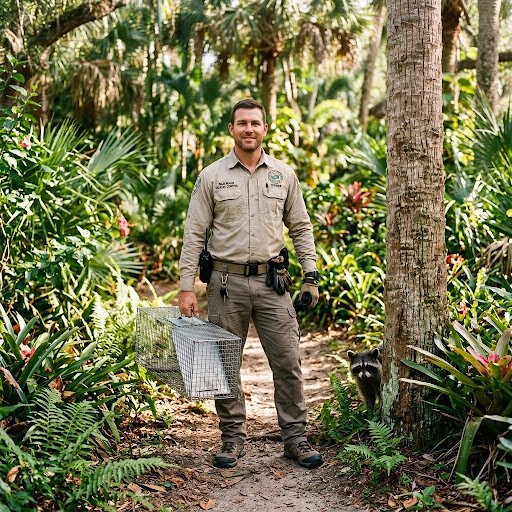
Palm Beach County’s lush landscapes, warm climate, and abundant green spaces make it a haven not just for residents, but for wildlife too. From raccoons scaling fences to squirrels nesting in attics, local homeowners often find themselves sharing their property with creatures that were never invited. While these animals play an important role in the ecosystem, their presence inside homes, garages, or yards can quickly become a source of stress, property damage, and health concerns.
Understanding how to handle these encounters safely and effectively is essential for protecting both your home and the wildlife itself. This guide explores the most common wildlife challenges facing Palm Beach residents, why do-it-yourself solutions often fall short, and how professional expertise makes all the difference in restoring peace to your property.
Why Palm Beach Attracts So Much Wildlife
Palm Beach’s subtropical climate creates ideal conditions for a wide variety of species to thrive year-round. Unlike colder regions where animals hibernate or migrate seasonally, the mild winters here mean wildlife activity rarely slows down. Add to this the county’s mix of dense residential neighborhoods bordering natural preserves, canals, and wooded areas, and it’s easy to see why animals frequently wander into backyards and homes.
Common culprits include:
- Raccoons, drawn to attics and chimneys for shelter
- Squirrels, which often nest in rooflines and eaves
- Opossums, typically found under decks or in crawl spaces
- Iguanas, an increasingly common sight in gardens and pool areas
- Rats and mice, which seek warmth and food sources indoors
- Snakes, often attracted to properties with dense vegetation or standing water
Each of these species brings its own set of challenges, from structural damage to potential health risks associated with droppings, parasites, and aggressive behavior when animals feel cornered.
The Hidden Dangers of DIY Wildlife Removal
When homeowners discover an animal on their property, the instinct is often to handle it themselves. Unfortunately, this approach can lead to more harm than good. Wild animals, even seemingly docile ones, can behave unpredictably when threatened, potentially resulting in bites, scratches, or the transmission of diseases such as rabies or salmonella.
Beyond the physical risks, DIY methods often fail to address the root cause of the problem. Simply removing a visible animal without sealing entry points or addressing nesting sites means new wildlife will likely move in within weeks. Improper handling can also violate local wildlife protection laws, particularly when dealing with protected species.
Professional wildlife services bring the training, equipment, and knowledge of local regulations needed to handle these situations safely and legally, ensuring long-term results rather than temporary fixes.
Signs You May Have an Uninvited Wildlife Guest
Many homeowners don’t realize they have an animal problem until it’s well established. Recognizing the early warning signs can help you address the issue before it escalates:
- Scratching or scurrying sounds in walls, attics, or ceilings, especially at night
- Unpleasant odors that suggest droppings or a deceased animal
- Visible entry points, such as gaps in rooflines, vents, or foundation cracks
- Chewed wiring, insulation, or wood structures
- Droppings found in garages, attics, or storage areas
- Plants or garden beds showing signs of digging or feeding damage
If any of these signs sound familiar, it’s worth having a professional assess your property before the situation worsens.
What to Expect from a Professional Wildlife Inspection
A thorough inspection is the foundation of any effective wildlife management plan. Trained technicians assess the property both inside and out, identifying active nesting sites, entry points, and any existing damage. This process typically includes:
Exterior Assessment
Technicians examine the roofline, foundation, vents, and any gaps where animals could gain access. Even small openings, sometimes as narrow as a few inches, can be enough for determined wildlife to squeeze through.
Interior Evaluation
Attics, crawl spaces, and wall voids are checked for signs of nesting, droppings, or damage. This step helps determine which species are involved and how established the infestation has become.
Customized Action Plan
Based on findings, a tailored removal and exclusion strategy is developed. This ensures the approach fits the specific animal species, the extent of the issue, and the unique layout of the property.
Humane Removal Practices That Protect Both People and Wildlife
Ethical wildlife management prioritizes humane treatment of animals while resolving the homeowner’s concerns. This means using live trapping methods where appropriate, relocating animals in compliance with state guidelines, and avoiding unnecessary harm whenever possible.
Humane practices also extend to how nesting families are handled. For example, if a mother raccoon has young in an attic, responsible technicians will account for this by using specialized techniques that safely reunite the family outside the home rather than separating them in ways that could cause distress or harm.
This balanced approach reflects a broader commitment to coexisting responsibly with local wildlife while still protecting homes and families from the disruptions these animals can cause.
Preventing Future Wildlife Intrusions
Removal is only half the equation. Long-term prevention requires sealing entry points, removing attractants, and making the property less appealing to wildlife going forward. Effective prevention strategies include:
- Installing chimney caps and vent covers to block common entry points
- Trimming tree branches that overhang the roofline
- Securing trash cans with tight-fitting lids
- Removing standing water and excess vegetation near the foundation
- Repairing damaged siding, soffits, or fascia boards promptly
These steps significantly reduce the likelihood of repeat visits from raccoons, rodents, and other wildlife.
Restoring Comfort and Confidence in Your Home
Reliable Animal Control service brings homeowners the peace of mind that comes from knowing their property is protected against future intrusions, not just cleared of a current problem. At Palm Beach Wildlife Services, our team combines local expertise with humane, effective techniques to resolve wildlife concerns thoroughly and responsibly.
Every property is different, and our technicians take the time to understand the specific challenges you’re facing before recommending a solution. Whether it’s a family of raccoons in the attic, a stubborn iguana population in the yard, or persistent rodent activity, our approach focuses on lasting results rather than quick patches.
We also understand that wildlife encounters can feel overwhelming, especially when they involve your home and family. That’s why our process emphasizes clear communication, transparent recommendations, and respect for both your property and the animals we encounter.
Taking the Next Step Toward a Wildlife-Free Home
Living alongside Palm Beach’s diverse wildlife doesn’t have to mean tolerating damage, noise, or health risks inside your own home. With the right combination of professional inspection, humane removal, and preventive maintenance, homeowners can enjoy their property without the constant worry of unexpected animal encounters.
If you’ve noticed signs of wildlife activity or simply want to safeguard your home before problems arise, reaching out to a trusted local expert is the most effective first step. Palm Beach Wildlife Services is here to help you reclaim your space and keep it protected for the long run.