Starting a business is exciting. But one question stops many new owners cold: how do you make the business legal? For most small firms in the United States, the answer is LLC registration. It is the moment your idea stops being just you, and becomes a company in the eyes of the law.
The good news is that the process is simpler than it looks. You do not need a law degree, and you do not need to pay a stranger hundreds of dollars. You file a short form with your state, pay one state fee, and then finish a few setup tasks.
This guide walks through the whole process in plain words. You will learn what LLC registration means and the exact steps, in order. You will also see what it costs, how long it takes, and which mistakes catch new owners out. By the end, you will know how to register an LLC the right way, the first time.
What LLC Registration Actually Means
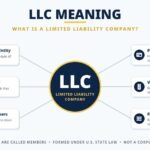
An LLC is a limited liability company. It is a type of business created under state law, not federal law. That single fact explains a lot. Because each state makes its own rules, the forms, fees, and deadlines change a little from state to state.
Registering an LLC means filing paperwork with your state government so the company exists as its own legal entity. Before that filing, the law sees no company at all. After it, the business can sign contracts, open bank accounts, and own property in its own name.
The main benefit sits inside the name: limited liability. The U.S. Small Business Administration explains that, in most cases, your personal assets stay safe if the LLC faces bankruptcy or lawsuits. Your house, your car, and your savings sit on your side of the line. The business debts sit on the other side.
| 🔗 You may also like: |
|---|
| How the Global Trader Programme Helps Trading Companies Save Tax in Singapore |
| Domikyo.com Explained: Technology, Business, Finance and Modern Digital Trends |
LLC vs. Sole Proprietorship: What Changes When You Register
Many people already run a business without knowing its legal name. The SBA puts it simply. If you do business but never register as another type of business, you are automatically a sole proprietor. No forms, no fees, no waiting. Millions of freelancers and sellers start exactly this way.
The catch is that a sole proprietorship is not a separate entity. Your business assets and debts are legally the same as your own. If the business cannot pay a bill, the creditor can come after you personally. If a customer sues the business, they are really suing you.
The Real Difference Registration Makes
LLC registration draws a legal line between you and the business. That line is the whole point of the exercise. It protects your personal life from most business problems. It also makes the business look more serious to banks, suppliers, and clients.
Still, the line only holds if you respect it. Courts and creditors look closely at owners who mix business money with personal money. Keep the accounts separate from day one, and the protection stands a far better chance of holding up.
Before You File: Choose Your State and Your Name
Two decisions come before any form. Both look small, and both cause trouble when people rush them. Spend an hour here and the rest of the process gets easier.
Step 1: Pick the State Where You Do Business
Most owners should form the LLC in the state where the business actually runs. That is your home state, where your office, shop, or clients are. Filing there keeps everything in one place: one fee, one set of rules, one annual routine.
You may have seen adverts pushing states with low fees or no state income tax. Be careful. Form in one state but work in another, and the SBA says you may need to register in your home state too. That second filing is called foreign qualification. Then you pay fees and file reports in both states, and the saving disappears.
Step 2: Choose a Name the State Will Accept
Your LLC name must be different from names already registered in your state. In most states, it must also include the words “Limited Liability Company” or a short form like “LLC” or “L.L.C.”. States can reject names that sound too close to an existing business.
Before you fall in love with a name, search your state’s online business database. The search is free, and it takes minutes. It also helps to check the federal trademark database, because a name can be free in your state yet still clash with a protected brand.
- Search the state business database for the exact name and close matches.
- Check that the matching website domain and social handles are free, if you care about them.
- Plan to trade under a shorter brand name? You can often register a “doing business as” name later. A DBA gives no liability protection on its own.
The Filing Itself: Agent, Articles, and Agreement
Now comes the core of LLC registration. Three tasks create the company and set its ground rules. Your state’s Secretary of State office, or its business agency, handles the filing side.
Step 3: Name a Registered Agent
Every LLC needs a registered agent in its state of formation, and you must have one before you file. The agent is the person or company that receives official mail and legal papers for the business. Think of the agent as the company’s official mailbox for anything serious.
The agent needs a physical street address in that state, not a post office box. You can act as your own agent if you live in the state and can receive papers during business hours. Many owners still hire an agent service, often because they do not want their home address on public record.
Step 4: File the Articles of Organization
This filing is the moment of birth for your LLC. Most states call the form the Articles of Organization, though a few use the name Certificate of Formation. It is a short document, and the SBA describes its contents in simple terms.
The form usually asks for the basics:
- The LLC’s name and main address
- The registered agent’s name and address
- The names of the owners, called members, in many states
- How the LLC will be managed, by its members or by appointed managers
Most states let you file online through the Secretary of State website, and online filing is usually the fastest route. You pay the state filing fee when you submit the form. Keep the approved copy safe, because banks and other offices will ask to see it.
Step 5: Write an Operating Agreement
An operating agreement is the rulebook for your LLC. It states who owns what share, how decisions get made, how profits are split, and what happens if an owner leaves or dies. Some states require one by law, and the terms must often be agreed within a set time after filing.
Even where the law does not demand one, the SBA recommends writing an operating agreement anyway. A solo owner may find it simple, but it still proves the business is real and separate. For two or more owners, this document prevents the arguments that tear small companies apart.
After the State Says Yes: Tax ID, Licenses, and Banking
Approval from the state makes your LLC real, but a few jobs remain before you can trade smoothly. None of them is hard, and one of them is completely free. Work through them in this order.
Step 6: Get Your Free EIN From the IRS
An EIN, or Employer Identification Number, is the federal tax ID for your business. The IRS issues it, and the IRS is clear about the price: you never have to pay a fee for an EIN. The IRS even warns people to beware of websites that charge for one. If a page asks for your card details to “file” your EIN, close it.
Apply on the IRS website after your state approves the LLC, because the application asks for the legal name and formation details of an entity that already exists. The online application takes one session, and if it is approved, the IRS issues your number immediately on screen. You cannot save a half-finished application, so gather your details before you start.
Who must have an EIN? Any LLC with employees needs one, and every multi-member LLC needs one too. A single-member LLC with no employees and no excise tax duties may legally use the owner’s Social Security number instead. In real life, most banks still ask for an EIN, and many owners prefer not to hand out their personal number.
Step 7: Sort Out Licenses and Permits
Registering the LLC does not license the business. Licenses are a separate layer, and they depend on what you do and where you do it. A home cleaning firm, a food truck, and a building contractor all face different lists.
Check three levels, in this order:
- Federal: only certain industries, such as aviation, firearms, or commercial fishing, need federal permits.
- State: many trades and professions need a state license, and some states require a general business license.
- Local: your city or county may require a business license, permits for signs, or zoning approval.
Step 8: Open a Business Bank Account
With your approved articles and EIN in hand, open a bank account in the LLC’s name. Run every sale and every business cost through it. This one habit protects your liability shield, cleans up your bookkeeping, and makes tax time far less painful.
One federal report deserves a mention here, because old guides still scare owners with it. Under FinCEN’s current rule, companies created in the United States are exempt from beneficial ownership information (BOI) reporting. Only certain foreign companies registered to do business in the U.S. must still file a BOI report. So a normal U.S. LLC has no BOI filing to make.
What LLC Registration Costs
The one cost nobody can dodge is the state filing fee for the Articles of Organization. There is no single national price, because each state sets its own fee. The SBA gives a useful guide: in most cases, the total cost to register a business comes to less than $300, though the exact amount depends on your state and structure.
Filing Fees in Eight Major States
The gap between states is wide. Across these eight states, the filing fee runs from $70 in California to $300 in Texas. Every figure in the table comes from that state’s own official website, checked in November 2026.
| State | Filing fee | Good to know |
|---|---|---|
| California | $70 | A $20 Statement of Information is due within 90 days, then every two years. California also charges an $800 yearly LLC tax. |
| Wyoming | $100 | The yearly annual report license tax starts at $60. |
| Delaware | $110 | The fee covers a one-page filing, including the municipality and county charges. |
| Georgia | $110 | That is a $100 filing fee plus a $10 service charge. The annual registration costs $60 in total. |
| Florida | $125 | That is a $100 filing fee plus a $25 registered agent designation. The annual report costs $138.75. |
| Illinois | $150 | Standard processing takes about 10 business days, and 24-hour service is available. |
| New York | $200 | New York also requires newspaper publication after filing, plus a $50 Certificate of Publication. |
| Texas | $300 | Texas uses a Certificate of Formation (Form 205) instead of Articles of Organization. |
States change their fees from time to time, and small extras can apply, such as a card payment fee. Before you file, check the current fee on your own state’s official website. That page is the only figure you should trust.
Optional and Ongoing Costs
Optional costs sit on top of that fee, and each one is a choice:
- Registered agent service: free if you act as your own agent; a yearly fee if you hire a company.
- Formation service: a filing company prepares and submits the same state forms for a service fee.
- Lawyer: an hourly fee or flat fee, mostly worth it for complex setups, as explained below.
- Extras: certified copies, a DBA name, or faster processing where your state offers it.
Ongoing costs matter just as much. Many states require an annual or two-yearly report, often with a fee, and some states charge LLCs an annual tax. These amounts vary widely by state, so check your own state’s rules before you budget. The EIN itself always costs nothing.
How Long Does LLC Registration Take?
There is no national timeline, and any site promising an exact number of days for every state is guessing. Your state controls the clock, and the filing method changes it. Online filing is usually the fastest option, while paper forms sent by mail move more slowly.
What State Offices Say About Timing
State offices publish their own timelines, and they back up the pattern. California’s Secretary of State says online filings take five days or less, while paper forms take ten days or more. Georgia usually sends approval within five to seven business days for online filings, but paper can take fifteen business days. Illinois lists ten business days as its standard.
Some states offer faster processing for an extra fee. Others work through filings in the order they arrive. Once the state approves your articles, the later steps move quickly in your hands: the IRS issues an EIN online in a single session, and a bank account can often be opened the same week.
Plan for the whole journey, not just the filing. Name checks, the articles, the operating agreement, the EIN, licenses, and banking each take a little time. Owners who gather their details first usually finish everything without drama.
How Your LLC Will Be Taxed
Registration with the state and taxation by the IRS are two different systems, and mixing them up confuses many new owners. The IRS has no tax category called “LLC.” Instead, the IRS taxes your LLC under an existing category, based on how many owners it has.
The default rules work like this. A one-owner LLC is taxed like a sole proprietorship: the IRS calls it a disregarded entity, and the owner reports business income on their personal tax return. An LLC with two or more owners is taxed like a partnership by default, filing an information return while each owner reports a share of the profit.
Owners can also ask the IRS to tax the LLC as a corporation, using Form 8832, or as an S corporation, using Form 2553, if the rules are met. With the default setups, profits pass through to the owners. As the SBA notes, owners count as self-employed and pay self-employment tax toward Social Security and Medicare. Choose the basic route first, and review it with a tax professional as the business grows.
Do You Need a Lawyer or a Formation Service?
Here is the honest answer: most simple LLCs can be registered by the owner, alone, on the state website. The forms are short, the state sites guide you through them, and the EIN is free from the IRS. Thousands of owners do exactly this every week.
Formation services exist for people who want someone else to handle the paperwork. A good service saves time and may add reminders for annual reports. Just remember what you are paying for: the company submits the same forms you could submit yourself, and any state fee still applies on top of the service fee. Never pay a service for the EIN alone, because that part costs nothing.
A lawyer earns their fee when the setup is not simple. Consider one if you have several owners, outside investors, employees in different states, a regulated trade, or a lot of personal wealth to protect. A short consultation before filing is far cheaper than fixing a bad structure later.
Common Mistakes That Catch New Owners Out
Most LLC problems do not come from the filing itself. They come from small errors around it. Watch for these:
- Forming in a “cheap” state where you do not operate. You end up registering in your home state anyway, and paying twice.
- Paying a website for a free EIN. The IRS charges nothing, ever. Go to the IRS site directly.
- Skipping the operating agreement. Ownership and profit splits feel friendly now. Put them in writing before money tests the friendship.
- Mixing personal and business money. One card for everything weakens the liability line you paid to create.
- Forgetting the annual report. Miss your state’s report or fee, and the state can suspend or dissolve the LLC.
- Assuming registration covers licenses. Your LLC can exist legally while still breaking licensing rules in your trade or town.
Keeping Your LLC in Good Standing
Registration is the start, not the finish. Each year, file any report your state requires and pay its fee on time. Keep your registered agent details current, because a missed legal notice can become a lost court case. Keep the business bank account separate, even on busy days.
Simple records save you again and again. Save the approved articles, the operating agreement, the EIN letter from the IRS, and every state confirmation in one folder. When a bank, a client, or the tax office asks a question, the answer will be sitting there.
| 🔗 You may also like: |
|---|
| HRMtaila Explained: Is It a Real AI HR Platform or Just a Buzzword? |
| UploadArticle.com Explained: How It Works, How to Submit, SEO Value and Safety |
Conclusion
LLC registration is a short, clear process once you see the whole path. Choose your home state, pick a clean name, name a registered agent, and file the Articles of Organization. Then finish the setup with an operating agreement, a free EIN, the right licenses, and a business bank account. Do it in that order, keep your money separate, and your new company starts life on solid ground.
FAQs
How much does LLC registration cost?
It depends on your state, because each state sets its own filing fee for the Articles of Organization. The SBA says the total cost to register a business is less than $300 in most cases. In our table above, state filing fees run from $70 to $300. The EIN from the IRS is always free, and extras like an agent service or a lawyer are optional.
How long does it take to register an LLC?
There is no single timeline for the whole country. Your state sets the pace, and online filing is usually faster than mailing paper forms. Some states sell faster processing for an extra fee. After approval, the EIN takes one short online session with the IRS, so the setup steps that follow rarely slow you down.
Can I register an LLC myself, or do I need a lawyer?
Most owners can register a simple LLC themselves on the state website, and no law requires a lawyer or a filing service. A service only submits the same forms for a fee. A lawyer is worth the money when ownership is shared, investors are involved, or your trade has strict rules.
Does a single-member LLC need an EIN?
Not always. The IRS does not require an EIN for a single-member LLC with no employees and no excise tax duties; the owner can use a Social Security number. Still, most banks ask for an EIN to open a business account, and getting one is free, so most owners apply anyway.
Do I need to file a BOI report with FinCEN for my LLC?
No, not if your company was created in the United States. FinCEN’s current rule exempts U.S. companies from beneficial ownership information reporting. Only certain foreign companies that register to do business in the U.S. must still file a BOI report with FinCEN.