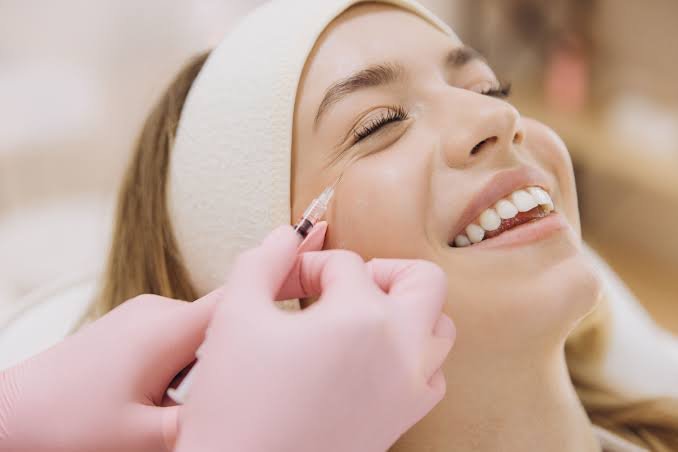
A first Botox appointment often begins with a simple observation: a line between the eyebrows looks deeper in photographs, or forehead creases remain noticeable after an expression has passed. Deciding what to do about that change requires more than choosing an appointment time. The useful starting point is a conversation about what bothers you, how your face moves, and what treatment could reasonably achieve.
For adults in San Ramon considering cosmetic injections, the consultation is an opportunity to compare expectations with a clinical assessment. You do not need to arrive with a preferred dose or a list of injection sites. You do need enough information to understand the recommendation, its limitations, and the care available afterward.
Start with the change you want to see
Describe your concern in ordinary language. Perhaps you want your expression to look less tense while keeping your eyebrows mobile. Perhaps you are comfortable with most facial lines and only want to discuss one area. Those preferences give a clinician more useful direction than a request to erase every wrinkle.
Botox is a brand of botulinum toxin, a prescription medicine that temporarily reduces activity in targeted muscles. Cosmetic treatment can soften certain expression-related lines. It does not address every cause of facial aging, and a smoother forehead does not automatically mean that changes in skin texture or facial volume will improve.
Watch your face both at rest and while smiling, frowning, and raising your eyebrows. Bring those observations to the appointment without trying to diagnose yourself. Ask which part of the concern relates to muscle movement and which part may need a different approach, or no treatment at all.
Use local information to prepare for a discussion
Practice websites can help you identify what to ask, provided you separate a description of services from an individualized recommendation. When researching Botox injections in San Ramon, MedLounge San Ramon’s treatment page offers local context about its consultation process and cosmetic injection services. Use that information to prepare questions about your own goals rather than assuming that a featured treatment is suitable for you.
A local comparison should include more than travel distance. Think about whether you can return for an assessment, how questions are handled between appointments, and whether you will know whom to contact if a concern arises. Convenient access matters most when it supports continuity of care.
Before booking, ask whether the visit is a consultation only or may include treatment. Clarify any consultation charge and whether deciding to wait creates an obligation to purchase something. Leaving time to think can be useful, especially when you are comparing unfamiliar options.
Ask who will assess and treat you
The name on a clinic’s sign does not tell you who will perform your medical assessment or give the injections. Ask for the treating professional’s name, license type, relevant training, and experience with the area you want treated. Where appropriate, verify the license through the relevant state licensing board.
The CDC’s guidance on botulinum toxin injection safety advises patients to check provider qualifications and whether the product comes from an authorized source. It also cautions against unapproved or counterfeit products. A clinic should be willing to explain what product it plans to use and answer questions before treatment.
Use the consultation to ask a short set of practical questions:
- Who will assess my suitability, perform the injections, and handle follow-up?
- What change is realistic for my concern, and what is unlikely to improve?
- Which product are you recommending, and why?
- What risks are most relevant to my health history and treatment area?
- What is included in the estimate, and how are additional visits charged?
Listen for explanations that relate to your face and circumstances. A useful answer connects the proposed treatment to an observation from the assessment. If you do not understand the explanation, ask the clinician to put it in everyday terms before you decide.
Bring a complete health and treatment history
Cosmetic goals do not replace medical screening. The American Academy of Dermatology recommends telling the clinician about medicines, supplements, pregnancy or pregnancy plans, and previous surgeries or cosmetic treatments. Bring a written list if remembering everything during an appointment would be difficult.
Include previous injectable treatments even if they were performed elsewhere. If available, bring the product name, treatment date, areas treated, and any reaction you experienced. Describe any result you disliked as clearly as a result you liked. Both can help the discussion.
Ask whether anything in your history changes the recommendation or means treatment should be postponed. Do not stop prescribed medication on your own to prepare for a cosmetic appointment. Any proposed change should be discussed with the clinician responsible for that medication.
Compare the full plan and total cost
A per-unit price can look straightforward while leaving the overall cost unclear. Ask for an estimate that identifies the product, proposed areas, expected quantity, and total charge. Find out whether a review appointment is included and whether additional treatment would have a separate fee.
Keep the comparison focused on the plan you are actually being offered. A lower advertised figure may describe a different treatment scope. Ask what each estimate includes before deciding that one clinic is less expensive.
Also consider what ongoing treatment would mean for your budget. You can ask about maintenance without committing to a schedule or package. A first appointment should give you enough information to make one decision at a time.
Plan for results and follow-up
According to the American Academy of Dermatology, cosmetic botulinum toxin effects commonly last about three to four months, though duration varies. Ask your clinician when to assess the result and when to contact the practice if something seems uneven or unexpected. Avoid planning around a guaranteed outcome by a particular date.
If you have an important event approaching, discuss it before booking. Allow room for assessment and questions rather than treating the procedure as a last-minute errand. Ask for written aftercare instructions and follow the advice provided for your treatment.
Recognize the difference between an expected local reaction and symptoms needing urgent attention. The Academy describes temporary redness, soreness, swelling, and bruising among possible effects. The CDC advises immediate medical help for possible botulism symptoms after injections, including difficulty breathing or swallowing, vision changes, or muscle weakness. Do not wait for a routine follow-up if serious symptoms develop.
Make the decision at your own pace
A useful consultation ends with a clear explanation of the proposed benefit, limitations, risks, cost, and next steps. It may lead to treatment, a different recommendation, or a decision to wait. Any of those outcomes can be reasonable when they follow an informed discussion.
Before leaving, check that you can explain the plan in your own words and know how to reach the practice afterward. The goal is a decision you understand and feel comfortable making, with realistic expectations about what cosmetic injections can change.