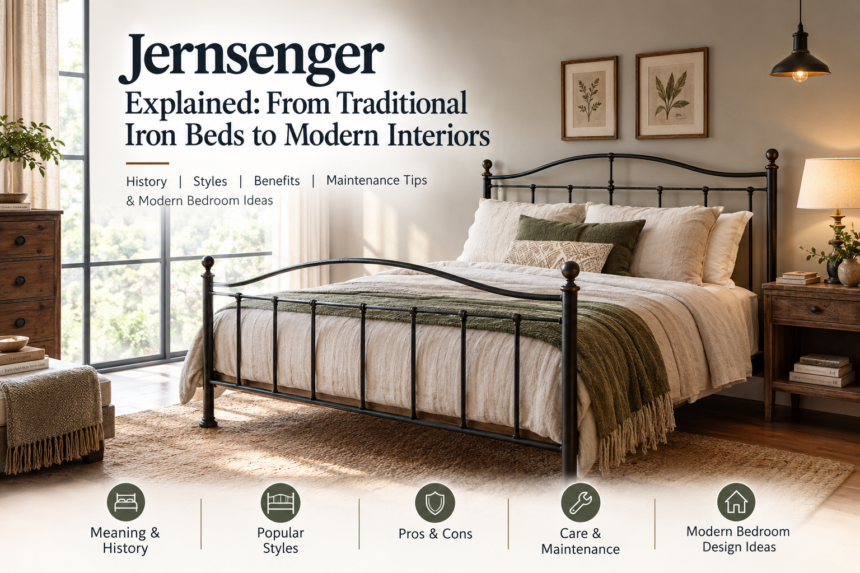
Jernsenger is a Norwegian term associated with iron beds, a type of furniture valued for its durability, practical design, and timeless appearance. From traditional metal bed frames with decorative details to sleek designs suited to contemporary bedrooms, iron beds continue to offer an appealing combination of function and style.
Their lasting appeal comes from their versatility. An iron bed can complement a Scandinavian-inspired bedroom, add character to a vintage setting, or create a striking contrast in a modern minimalist home. With the right frame, bedding, and accessories, it can become a central feature of almost any bedroom.
Understanding Jernsenger involves more than knowing what the word means. It also means exploring the history of iron beds, the different styles available, their advantages and disadvantages, and the practical steps involved in choosing and maintaining one. This guide covers these details to help you decide whether an iron bed is right for your home.
What Does Jernsenger Mean?
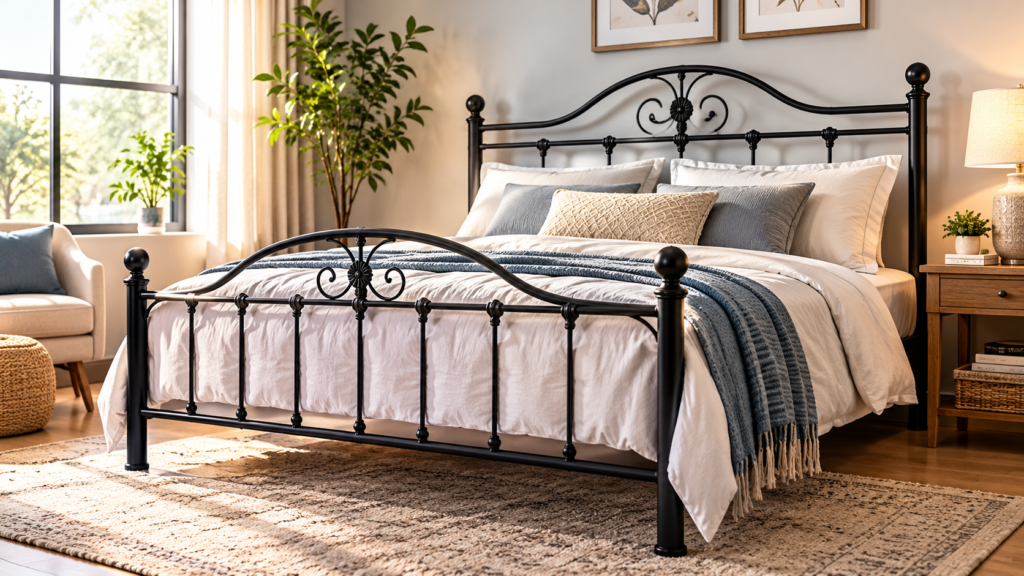
Jernsenger is a Norwegian plural term that means iron beds. Its singular form is jernseng. The word combines jern, meaning iron, with seng, meaning bed; senger is the plural form of the latter.
In furniture, the term refers to beds made primarily from iron or other metals, including modern steel frames. Traditional examples may feature curved headboards, decorative metalwork, and carefully shaped rails, while contemporary versions often use straight lines and simple geometric forms.
Although the term has Scandinavian linguistic roots, iron beds are not exclusive to Scandinavian homes. They have been used in many parts of the world and are available in styles that suit different interior design preferences.
The meaning is straightforward, but the furniture itself offers considerable variety. Some iron beds emphasize historical craftsmanship, while others focus on simplicity, easy maintenance, and compatibility with modern mattresses.
| 🔗 You may also like: |
| Best brick tiles for interior feature walls in the uk |
| Vaulted ceilings the one design move that makes an extension feel twice the size |
The History and Evolution of Traditional Iron Beds
Iron beds became increasingly prominent in European furniture during the eighteenth and nineteenth centuries. Improvements in metalworking and manufacturing made it possible to produce bed frames in a wider range of shapes and quantities.
Before metal frames became widely available, wooden beds were common household furniture. However, wood could crack, warp, or provide hiding places for insects when poorly maintained. Metal frames offered a different set of practical benefits, particularly in environments where cleanliness and frequent cleaning were important.
From Practical Furniture to Everyday Use
During the nineteenth century, advances in industrial production helped make iron bed frames more accessible. Manufacturers could produce standardized components, allowing beds to be transported, assembled, and repaired more conveniently than some earlier furniture designs.
Iron beds became useful in homes, boarding houses, hospitals, and other shared living environments. Their relatively smooth surfaces were easier to wipe clean than many intricate wooden structures, and metal did not provide the same food source for termites as wood.
These advantages contributed to their reputation as practical furniture. Decorative versions also became popular, showing that a functional metal frame could serve as an attractive bedroom feature.
How Iron Beds Changed Over Time
Early designs often featured elaborate scrollwork, rounded finials, and ornamental headboards. Some were made from cast iron, while others used wrought iron components. Their appearance reflected the craftsmanship and decorative tastes of their period.
Modern production introduced more streamlined designs, different metal finishes, and simpler assembly systems. Steel also became a common material for contemporary metal bed frames.
Today, traditional and modern iron beds exist side by side. Buyers can choose an ornate vintage-inspired frame or a minimal design that blends into a contemporary bedroom.
Popular Jernsenger Styles for Modern Homes
Iron beds are available in a wide range of designs, from decorative traditional frames to understated contemporary models. Choosing the right style depends on your room’s size, existing furniture, and preferred atmosphere.
1. Classic Wrought Iron Beds
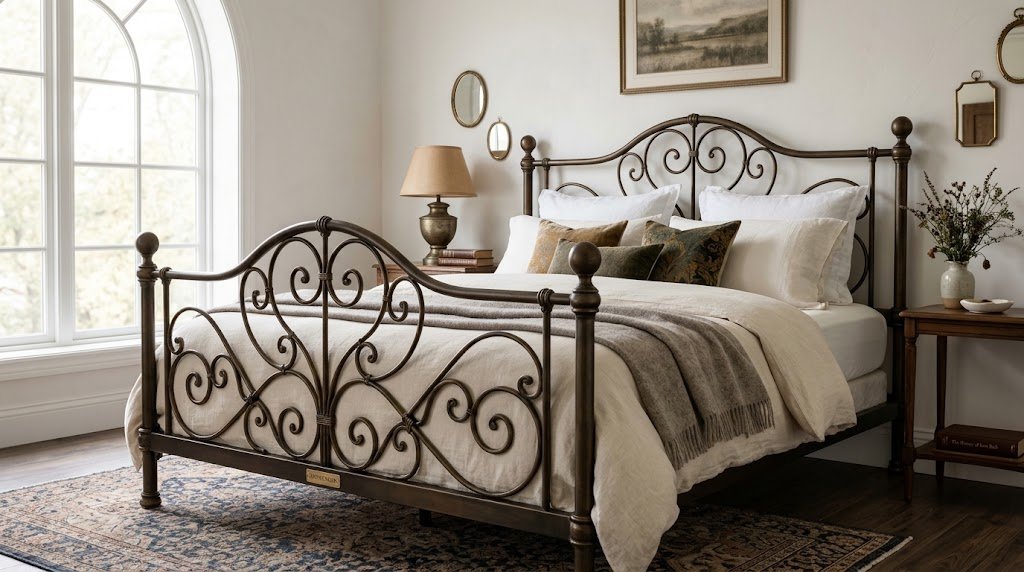
Classic wrought iron beds are known for their curved lines, ornamental details, and traditional appearance. Their headboards may feature scrollwork or symmetrical patterns that create a distinctive focal point.
These beds work particularly well in vintage-inspired bedrooms, country homes, and interiors that combine traditional furniture with natural materials. Pairing one with cotton bedding, a wooden bedside table, and warm lighting helps maintain a balanced look.
When buying a wrought iron bed, check the quality of the joints, the finish, and the overall stability of the frame. Decorative details should complement a sturdy construction rather than distract from it.
2. Modern Minimalist Iron Beds
Minimalist iron beds prioritize clean lines, simple geometry, and visual openness. They typically feature slim rails, uncomplicated headboards, and neutral finishes such as black, white, or gray.
This style is especially suitable for smaller bedrooms because its open structure can make the space feel less crowded than bulky furniture. It also pairs easily with contemporary wardrobes, wooden nightstands, and neutral bedding.
For homeowners who prefer practical furniture without elaborate decoration, minimalist Jernsenger designs offer a versatile option that can remain attractive as interior trends change.
3. Vintage and Victorian-Style Iron Beds
Victorian-inspired iron beds feature more decorative elements, including curved rails, intricate patterns, and ornamental finials. Some designs recreate the appearance of historical furniture, while newer versions adapt traditional details for modern homes.
Black, cream, and white finishes can all work well with this style. Floral bedding, antique accessories, and wooden furniture help create a traditional atmosphere without making the bedroom feel outdated.
Before purchasing a vintage frame, inspect it carefully for corrosion, damaged welds, missing fasteners, and loose joints. An attractive appearance does not necessarily indicate that an older bed remains structurally sound.
4. Industrial-Style Iron Beds
Industrial iron beds use strong lines, exposed structural elements, and restrained finishes. Matte black and dark gray are common choices, although other finishes are available.
These frames suit loft apartments, urban interiors, and bedrooms that combine metal with exposed brick, concrete, or reclaimed wood. Their straightforward appearance can also work in ordinary homes when balanced with softer materials.
A wooden bedside table or textured rug can prevent an industrial bedroom from looking overly cold. The goal is to create contrast between the frame’s strong structure and the room’s more comfortable elements.
Why Jernsenger Fits Scandinavian Interior Design
Scandinavian interior design is often associated with simplicity, functionality, natural materials, and a calm atmosphere. Iron beds can complement these principles when their proportions and finishes are chosen carefully.
A slim metal frame leaves more of the surrounding room visible. This can help maintain a sense of openness, particularly when combined with light-colored walls, natural daylight, and uncluttered furniture.
However, not every iron bed is automatically Scandinavian in style. An ornate Victorian frame may suit a traditional interior more naturally, while a simple black or white design is generally easier to incorporate into a modern Nordic-inspired space.
To achieve a cohesive look, consider these combinations:
-
Natural wood: Pair an iron frame with oak or pine furniture to soften its appearance.
-
Neutral bedding: Use white, beige, or light gray bedding for a calm and understated bedroom.
-
Soft lighting: Choose bedside lamps with warm light to create a comfortable evening atmosphere.
-
Natural textures: Add linen, cotton, wool, or woven accessories for warmth and visual depth.
-
Simple decoration: Keep accessories limited so the bed and its surrounding space remain visually balanced.
The result can be a bedroom that feels practical, welcoming, and thoughtfully designed rather than overly decorated.
Advantages and Disadvantages of Iron Beds
Before buying a Jernsenger bed, it is important to consider its practical strengths alongside its limitations. The quality of the frame, type of metal, finish, and construction can influence how well it performs.
| Advantages | Disadvantages |
|---|---|
| Durable construction when properly manufactured | Heavy frames can be difficult to move |
| Resistant to termites and wood-boring insects | Unprotected metal can rust |
| Smooth surfaces are relatively easy to clean | Loose joints may cause squeaking |
| Available in traditional and modern designs | Some designs may feel visually cold |
| Can remain usable for many years with proper care | Quality frames may cost more than basic alternatives |
| Open designs can create a lighter visual appearance | Slats and mattress support vary between models |
Durability and Long-Term Value
A well-constructed metal bed frame can provide years of use without the same concerns about wood splitting or warping. However, durability depends on the metal, thickness, joint construction, support system, and protective finish.
A poorly manufactured frame may bend, loosen, or become noisy even if its metal components initially look strong. Buyers should therefore evaluate the entire structure instead of assuming every iron bed is equally durable.
Cleaning and Hygiene
Metal surfaces are generally straightforward to wipe clean, and iron does not provide food for termites. These characteristics can make metal frames a practical choice for people who prefer simple furniture maintenance.
However, an iron bed is not automatically free from bedbugs. Bedbugs can hide in joints, screw holes, bedding, and surrounding furniture regardless of the bed frame material. Regular inspection and appropriate cleaning remain important.
Rust and Moisture
Rust is one of the main concerns with iron furniture. Protective paint or powder coating helps limit direct exposure to moisture, but scratches and damaged finishes can expose the underlying metal.
Homes with high humidity, damp walls, or poor ventilation may require more frequent inspection. Keeping the frame dry and repairing damaged coatings promptly can help prevent corrosion from spreading.
| 🔗 You may also like: |
| Choosing the right travertine tiles and fitting them the smart way |
| 4 low cost ways to make a small shop look premium |
How to Choose the Right Jernsenger Bed
Selecting an iron bed involves more than choosing an attractive headboard. The frame must fit the room, support the mattress correctly, and provide a stable foundation for everyday use.
Measure Your Bedroom First
Measure the available floor space before shopping. Include the full dimensions of the bed, not just the mattress size, because headboards, footboards, and side rails may extend beyond it.
Leave enough room to walk around the bed, open wardrobe doors, and access bedside tables. A frame that looks appealing in a showroom may feel oversized in a smaller bedroom.
Check Frame Construction
Inspect the rails, joints, fasteners, and central support system. The frame should feel stable, and its components should fit together securely without visible damage or excessive movement.
If possible, check the manufacturer’s stated weight capacity and assembly instructions. For larger mattresses, confirm whether a center rail and additional support legs are required.
Match the Mattress and Bed Base
The mattress must match the frame’s intended dimensions. A mattress that is too small may move around, while one that is too large may not sit properly within the frame.
If the bed uses slats, check their spacing and the mattress manufacturer’s requirements. Different mattress types have different support needs, so compatibility should be confirmed before purchase.
Choose the Right Finish
Painted and powder-coated finishes can improve appearance and help protect metal from moisture. Look for an even finish without exposed metal, bubbling paint, or signs of corrosion.
Black is a versatile choice for modern and industrial rooms, while white and cream can create a lighter, more traditional appearance. Select a finish that complements your existing furniture and is practical for your environment.
Consider Assembly and Future Maintenance
Some metal beds are designed to be disassembled, which can make moving house easier. Before buying, check whether the frame comes with the required hardware, clear instructions, and replacement parts if needed.
A simple design with accessible joints may also be easier to clean and maintain than a frame with many intricate details.
How to Style an Iron Bed for a Warm, Modern Bedroom
One concern with iron beds is that their hard lines and metal surfaces can make a bedroom feel less inviting. The solution is to balance the frame with soft fabrics, warm lighting, and natural materials.
Layer Bedding and Textures
Start with cotton or linen sheets, a comfortable duvet, and a textured throw. These materials soften the bed’s appearance and add visual interest without requiring expensive accessories.
Choose a limited color palette, such as cream, beige, white, and soft gray. If the frame is black, lighter bedding creates contrast and makes its shape stand out.
Add Pillows and Cushions
Combine standard sleeping pillows with decorative cushions in different sizes and textures. A few carefully selected pieces are usually more effective than covering the entire bed with accessories.
For a traditional iron bed, patterned cushions can complement decorative metalwork. For a minimalist frame, solid colors and simple shapes maintain a clean appearance.
Balance Metal With Wood
Wooden nightstands, a timber bench, or a natural-fiber rug can soften the visual effect of an iron bed. These materials introduce warmth and prevent the room from feeling too industrial.
You do not need to match every wooden item exactly. Similar undertones and complementary finishes are usually enough to create a coordinated appearance.
Use Warm Lighting
Bedside lamps, wall lights, and indirect lighting can make a substantial difference to the atmosphere. Warm light works particularly well with neutral bedding and dark metal frames.
Avoid overcrowding the surrounding space with decorative objects. Allowing the bed to remain visible helps preserve its distinctive character.
Maintenance and Care Tips for Jernsenger Beds
Proper care helps maintain the appearance and stability of an iron bed. Most routine maintenance is straightforward and does not require specialized products.
1. Remove Dust Regularly
Wipe the frame with a soft, dry microfiber cloth every week or whenever dust becomes noticeable. Pay attention to decorative curves, corners, joints, and areas beneath the mattress.
For stubborn dirt, use a slightly damp cloth with mild soap if appropriate for the finish. Dry the surface thoroughly afterward.
2. Inspect the Finish for Rust
Check the frame periodically for scratches, chipped paint, or small rust spots. Address damaged areas early by following the manufacturer’s repair instructions and using a compatible protective coating.
Avoid aggressive scrubbing, which may damage the finish and expose more metal.
3. Tighten Loose Fasteners
Check screws, bolts, and joints occasionally, particularly if the bed starts to squeak or wobble. Tighten fasteners according to the manufacturer’s instructions without overtightening them.
If a joint is cracked, bent, or badly corroded, stop using the bed until the problem has been assessed and repaired appropriately.
4. Protect the Floor
Use suitable furniture glides or floor protectors under the bed’s legs. These can help prevent scratches on wooden floors and reduce damage when the bed is moved.
Lift the frame with assistance when repositioning it instead of dragging it across the floor.
5. Keep the Frame Dry
Avoid leaving the bed in contact with damp walls or allowing water to remain on its metal surfaces. In humid rooms, good ventilation can help reduce condensation.
These simple habits are particularly important for older frames and beds with damaged or worn protective coatings.
Common Mistakes to Avoid When Buying an Iron Bed
A few common mistakes can turn an otherwise good purchase into an expensive inconvenience.
-
Choosing appearance over stability: Decorative details matter, but the frame must also be structurally sound and securely assembled.
-
Ignoring mattress compatibility: Confirm the mattress dimensions, slat spacing, and support requirements before ordering.
-
Overlooking room measurements: Remember to account for the headboard, footboard, and walking space around the bed.
-
Neglecting small paint chips: Damaged finishes can allow corrosion to develop, so repair them promptly.
-
Using harsh cleaning products: Abrasive pads and unsuitable chemicals may damage painted or coated surfaces.
-
Moving the bed incorrectly: Dragging a heavy frame can damage the floor, loosen joints, or bend components.
-
Assuming every metal bed is maintenance-free: Metal resists certain problems associated with wood, but it still needs inspection and appropriate care.
Avoiding these mistakes makes it easier to find a frame that offers both attractive design and practical long-term value.
Are Jernsenger Beds a Sustainable Furniture Choice?
An iron bed can be a sensible long-term furniture choice when it is well made, used for many years, and maintained properly. A durable frame may reduce the need to replace furniture frequently, while a timeless design can remain suitable even when bedroom trends change.
Repairability also matters. A bed with replaceable fasteners and accessible components may be easier to maintain than one that must be discarded when a small part fails.
However, sustainability depends on more than the material alone. Manufacturing processes, transport, protective finishes, product lifespan, and eventual recycling all influence a bed’s overall environmental impact.
When comparing options, prioritize sound construction, repairable components, an appropriate finish, and a design you expect to keep. These considerations are more useful than assuming every iron bed is automatically environmentally friendly.
| 🔗 You may also like: |
| Turning a portable cabin into a practical workplace |
| Buying property in Surrey |
Conclusion
Jernsenger connects a traditional Scandinavian term with a type of furniture that continues to work across a variety of interior styles. Iron beds have evolved from practical historical designs into versatile options for contemporary homes, offering everything from elaborate vintage details to clean, minimalist frames.
Their main strengths include durability, straightforward cleaning, and adaptability. Their limitations, including weight, possible corrosion, and the potential for loose joints, can often be managed through careful purchasing and regular maintenance.
If you are considering a Jernsenger bed, focus on construction quality, mattress compatibility, room measurements, and the protective finish before making a decision. Then use bedding, lighting, and natural materials to make the frame feel at home in your bedroom.
Ultimately, the best iron bed is not simply the one that looks attractive in a photograph. It is the one that fits your space, supports comfortable everyday use, and remains a practical part of your home for years to come.
FAQs
What does Jernsenger mean?
Jernsenger is a Norwegian plural term meaning iron beds. Its singular form is jernseng. The word describes metal bed furniture, although the specific construction and design can vary.
Are Jernsenger beds suitable for modern interiors?
Yes. Minimalist iron frames complement Scandinavian, contemporary, and industrial interiors. Traditional designs can also work in modern rooms when paired with simple bedding, warm lighting, and natural materials.
Are iron beds better than wooden beds?
Neither material is universally better. Iron beds resist termites and wood-boring insects and can offer strong, durable construction. Wooden beds may provide a warmer natural appearance and can also last for many years. The best option depends on construction quality, budget, maintenance, and personal preference.
Do iron beds rust easily?
Iron can rust when moisture reaches unprotected metal, particularly if the protective finish is damaged. A well-coated frame, regular inspections, and proper drying help reduce the risk.
Do iron bed frames make noise?
They can squeak when bolts loosen, joints rub against each other, or components are incorrectly assembled. Following assembly instructions, checking fasteners, and addressing worn parts can help reduce unwanted noise.