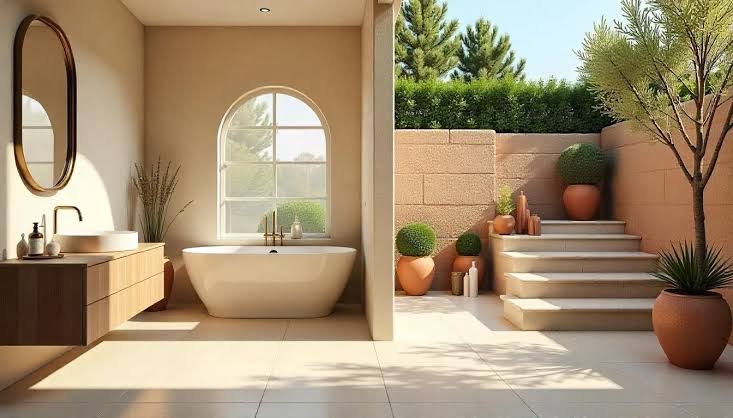
Travertine tiles bring a warm, natural look that few other materials can match. Their soft colours, gentle texture and timeless character suit Australian homes indoors and out. Whether you want a calm bathroom floor, a stylish living area or a cool pool surround, travertine delivers beauty that lasts when chosen and installed correctly.
At Stone & Slate Discounts, we help thousands of homeowners every year select quality travertine that suits Australian conditions. This article walks you through the key decisions and the practical steps so you can move forward with confidence.
Why Travertine Stands Out
Travertine is a natural limestone formed by mineral-rich spring water. Over time it develops small holes and soft veins that give each tile its own character. Those natural features create a relaxed, Mediterranean feel that works in modern and traditional homes alike.
Key advantages include:
- Warm, earthy colours ranging from ivory and cream to silver, walnut and soft gold
- A surface that stays cooler underfoot than many darker stones, ideal for sunny Australian patios and pool areas
- Good slip resistance when you choose the right finish (especially tumbled or brushed options)
- Durability for everyday living when properly sealed and cared for
- A unique look that cannot be fully copied by porcelain or ceramic
Like any natural stone, travertine needs the right finish, sealing and installation to perform well. Understanding those points makes the difference between a floor that looks good for years and one that needs extra work later.
How to Choose Travertine Tiles That Suit Your Space
Start by matching the tile to the room and how you will use it.
Finish matters most
- Honed (filled or unfilled): Smooth, matte surface that feels refined. Filled versions have the holes filled for easier cleaning and are popular indoors.
- Tumbled: Soft, rounded edges and a slightly aged look. Excellent grip and popular outdoors and around pools.
- Brushed or natural sawn: More texture for outdoor paths and high-traffic zones.
For wet areas and pool surrounds, prioritise finishes with strong slip ratings (often P4–P5). For dry living spaces, a fine honed surface gives a clean, contemporary look.
Filled or unfilled
Filled travertine has the natural holes filled with resin or cement, creating a smoother surface that is easier to keep clean. Unfilled keeps the open pores for a more rustic appearance. Most floors and busy indoor areas benefit from filled stone. Walls and feature areas can use unfilled for extra character.
Colour and grade
Ivory and classic beige create light, airy spaces. Silver adds a cooler modern touch. Walnut or noce brings warmth and depth.
Grades range from ultra-premium (more consistent colour and fewer markings) to standard (excellent value with natural variation). For most Australian homes, standard or A-grade offers the best balance of looks, performance and price. Avoid very cheap commercial grades that can have structural weaknesses.
Indoor versus outdoor
Thinner tiles (around 12–20 mm) suit internal floors and walls. Thicker pavers (30 mm and up) handle outdoor traffic, pool surrounds and direct ground installation better. Always check that the product is suitable for your climate, especially freeze-thaw conditions if you live in cooler regions.
Order free samples from slatediscounts so you can see the colour and texture in your own light. Natural stone looks different once it is wet and sealed, so viewing samples at home is the safest way to decide.
Simple Steps to Install Travertine Tiles
Proper preparation is the foundation of a lasting job. Travertine is softer than granite, so the base must be flat, stable and strong enough to carry the weight.
- Prepare the surface
Clean the subfloor thoroughly. It must be level (ideally within a few millimetres over a couple of metres). On timber floors, add cement board or a suitable underlayment for rigidity. Concrete slabs should be fully cured and free of dust or grease. For outdoor areas, ensure good drainage and a slight fall away from buildings. - Plan the layout
Dry-lay the tiles first. Mix tiles from several boxes so colour variation blends naturally. Decide on the pattern (straight, brick bond or more complex layouts) and mark centre lines. Allow 10–15 % extra material for cuts and future repairs. - Choose the right adhesive and tools
Use a white, polymer-modified thin-set mortar made for natural stone. Grey adhesive can show through lighter travertine. A wet saw with a diamond blade gives clean cuts. Keep spacers handy for consistent joints. - Set the tiles
Spread adhesive in small sections with a notched trowel. Back-butter each tile for full contact and press firmly into place with a slight twist. Check for level as you go. Leave expansion joints around the edges of the room and at changes of surface. - Grout and clean
Wait until the adhesive has cured (usually 24 hours or as recommended). Use unsanded grout for narrow joints or sanded for wider ones. Work the grout into the joints, then wipe the surface clean before it hardens. Avoid acidic cleaners at this stage. - Seal the stone
Travertine is porous. Apply a good penetrating sealer after installation (and sometimes before grouting to reduce staining). Re-seal every 1–3 years depending on traffic and wear. Sealing helps liquids bead up instead of soaking in.
If the area is large, complex or outdoors, hiring an experienced natural-stone installer is usually worth the investment. They understand the small details that protect your tiles long-term.
Looking After Your Travertine
Daily care is simple. Sweep or vacuum regularly and mop with a pH-neutral cleaner. Wipe up spills quickly, especially acidic liquids such as wine, citrus or vinegar, which can etch the surface. Place mats at entrances and felt pads under furniture legs.
Avoid harsh chemical cleaners and abrasive pads. With regular sealing and gentle cleaning, travertine keeps its beauty for decades.
Why Buy from Stone & Slate Discounts
Stone & Slate Discounts has supplied natural stone across Australia for decades. We import directly, keep large stock, and focus on grades that perform well in Australian conditions. You can request free samples, check live pricing, and arrange nationwide delivery. Our team includes experienced stonemasons who can answer practical questions about finishes, thickness and suitability for pools, patios or internal floors.
Whether you need classic ivory, silver travertine tiles, or matching pool coping, the selection is designed to give you quality without unnecessary mark-ups.
Final Thoughts
Travertine tiles reward careful choice and careful installation. Match the finish and thickness to the room, prepare a solid base, use the right adhesive and sealer, and keep the surface clean and protected. The result is a floor or outdoor surface that feels natural, looks sophisticated and stays cool and inviting underfoot.