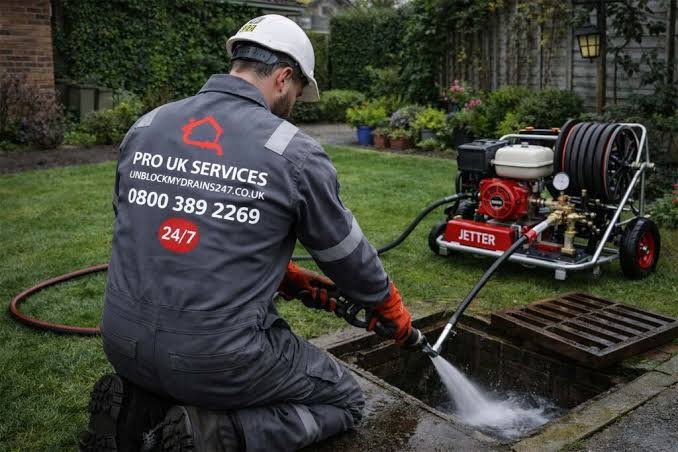
High-pressure water jetting is one method professionals use to clear deposits from drainage pipes. It can be effective for certain grease and silt accumulations, but the pressure and nozzle must suit the system. For London properties with older pipework or recurring obstructions, an assessment of condition and access should come before equipment selection.
When researching drain jetting London, property owners should ask how a contractor identifies the location and cause of a restriction. A useful service combines practical response with evidence about what has been found.
A Realistic Property Scenario
A restaurant kitchen drain repeatedly slows despite changes to waste disposal practices. A technician assesses the line and the likely grease build-up before selecting an appropriate jetting approach. The operator also considers whether the pipe condition and access points make that method safe.
Spotting the First Warning Signs
Drainage symptoms should be considered together rather than in isolation. A single slow sink may indicate a local trap restriction, while several fixtures backing up together can suggest a problem farther along the drainage run. Record the timing, affected rooms and any unusual odours. These observations help the technician identify likely causes without treating every situation as the same fault. Pipe materials, diameter, bends and existing condition influence the safest clearing technique. A forceful method that works in one modern installation may be inappropriate for fragile older sections. Contractors should check accessible inspection points and explain why a particular method is recommended. Avoid improvised tools or repeated harsh chemicals that could create additional hazards.
Immediate Safety Precautions
Protecting occupants comes before restoring convenience. Wastewater can contain harmful microorganisms, so avoid direct contact and keep children or visitors away from contaminated areas. Stop using fixtures that trigger overflow and seek qualified assistance where sewage enters living or working spaces. Do not handle electrical equipment near standing water without appropriate safety precautions. Professional investigation can involve checking inspection chambers, testing flow and examining the affected line. A CCTV survey may be justified when blockages recur or a structural defect is suspected. Camera images need careful interpretation, because not every irregularity requires immediate excavation. A useful report identifies observed conditions and distinguishes confirmed defects from possibilities.
Identifying Affected Fixtures
Grease, food scraps, wipes and accumulated debris are common contributors to restrictions. Outdoor lines may also suffer from root intrusion, displaced joints or silt. The presence of one blockage does not prove that the entire pipe is damaged. Diagnosis should distinguish material that can be cleared from structural defects that may require separate repair. High-pressure water jetting can remove some grease and silt deposits when performed by trained operators. Pressure, nozzle choice and access must be appropriate to the pipe condition. Mechanical tools can be suitable for other obstructions. Neither method automatically fixes a cracked or collapsed section, so restoring flow should not be confused with completing a structural repair.
Understanding Pipe Layouts
Pipe materials, diameter, bends and existing condition influence the safest clearing technique. A forceful method that works in one modern installation may be inappropriate for fragile older sections. Contractors should check accessible inspection points and explain why a particular method is recommended. Avoid improvised tools or repeated harsh chemicals that could create additional hazards. Where multiple tenants or businesses share facilities, clear communication can prevent repeated water use during a backup. A manager should identify who can provide access, who must be informed and whether a shared drainage section is involved. Documentation helps avoid conflicting instructions. Responsibilities should be checked rather than assumed from the location where symptoms appear.
Common Materials Behind Blockages
Professional investigation can involve checking inspection chambers, testing flow and examining the affected line. A CCTV survey may be justified when blockages recur or a structural defect is suspected. Camera images need careful interpretation, because not every irregularity requires immediate excavation. A useful report identifies observed conditions and distinguishes confirmed defects from possibilities. A clear quotation should describe attendance, the investigation and the work included. Additional surveys, specialist access or repairs may carry separate costs. If new problems are discovered, the customer should receive an explanation before authorising major extra work. Transparency supports informed decisions when disruption creates pressure for a rapid solution.
Why Older Pipes Need Care
High-pressure water jetting can remove some grease and silt deposits when performed by trained operators. Pressure, nozzle choice and access must be appropriate to the pipe condition. Mechanical tools can be suitable for other obstructions. Neither method automatically fixes a cracked or collapsed section, so restoring flow should not be confused with completing a structural repair. After clearance, the contractor should check whether the affected section drains normally and explain any unresolved concerns. Keep records of symptoms, findings and recommended follow-up. Repeated faults deserve closer investigation instead of an endless series of temporary fixes. Useful maintenance records make later diagnosis more efficient.
Access Points and Inspection Chambers
Where multiple tenants or businesses share facilities, clear communication can prevent repeated water use during a backup. A manager should identify who can provide access, who must be informed and whether a shared drainage section is involved. Documentation helps avoid conflicting instructions. Responsibilities should be checked rather than assumed from the location where symptoms appear. Prevention starts with ordinary waste-disposal habits. Cooking oil should not be poured down sinks, and wipes or sanitary products should not be flushed. Accessible outdoor gullies can be checked for leaves and debris without entering confined spaces. These habits reduce avoidable restrictions, but they cannot repair defective pipework or unsuitable drainage gradients.
How Technicians Diagnose the Fault
A clear quotation should describe attendance, the investigation and the work included. Additional surveys, specialist access or repairs may carry separate costs. If new problems are discovered, the customer should receive an explanation before authorising major extra work. Transparency supports informed decisions when disruption creates pressure for a rapid solution. Drainage symptoms should be considered together rather than in isolation. A single slow sink may indicate a local trap restriction, while several fixtures backing up together can suggest a problem farther along the drainage run. Record the timing, affected rooms and any unusual odours. These observations help the technician identify likely causes without treating every situation as the same fault.
Mechanical Clearance Methods
After clearance, the contractor should check whether the affected section drains normally and explain any unresolved concerns. Keep records of symptoms, findings and recommended follow-up. Repeated faults deserve closer investigation instead of an endless series of temporary fixes. Useful maintenance records make later diagnosis more efficient. Protecting occupants comes before restoring convenience. Wastewater can contain harmful microorganisms, so avoid direct contact and keep children or visitors away from contaminated areas. Stop using fixtures that trigger overflow and seek qualified assistance where sewage enters living or working spaces. Do not handle electrical equipment near standing water without appropriate safety precautions.
Water Jetting and Its Limits
Prevention starts with ordinary waste-disposal habits. Cooking oil should not be poured down sinks, and wipes or sanitary products should not be flushed. Accessible outdoor gullies can be checked for leaves and debris without entering confined spaces. These habits reduce avoidable restrictions, but they cannot repair defective pipework or unsuitable drainage gradients. Grease, food scraps, wipes and accumulated debris are common contributors to restrictions. Outdoor lines may also suffer from root intrusion, displaced joints or silt. The presence of one blockage does not prove that the entire pipe is damaged. Diagnosis should distinguish material that can be cleared from structural defects that may require separate repair.
When CCTV Evidence Is Helpful
Drainage symptoms should be considered together rather than in isolation. A single slow sink may indicate a local trap restriction, while several fixtures backing up together can suggest a problem farther along the drainage run. Record the timing, affected rooms and any unusual odours. These observations help the technician identify likely causes without treating every situation as the same fault. Pipe materials, diameter, bends and existing condition influence the safest clearing technique. A forceful method that works in one modern installation may be inappropriate for fragile older sections. Contractors should check accessible inspection points and explain why a particular method is recommended. Avoid improvised tools or repeated harsh chemicals that could create additional hazards.
Distinguishing a Blockage From Damage
Protecting occupants comes before restoring convenience. Wastewater can contain harmful microorganisms, so avoid direct contact and keep children or visitors away from contaminated areas. Stop using fixtures that trigger overflow and seek qualified assistance where sewage enters living or working spaces. Do not handle electrical equipment near standing water without appropriate safety precautions. Professional investigation can involve checking inspection chambers, testing flow and examining the affected line. A CCTV survey may be justified when blockages recur or a structural defect is suspected. Camera images need careful interpretation, because not every irregularity requires immediate excavation. A useful report identifies observed conditions and distinguishes confirmed defects from possibilities.
Coordinating Occupants and Contractors
Grease, food scraps, wipes and accumulated debris are common contributors to restrictions. Outdoor lines may also suffer from root intrusion, displaced joints or silt. The presence of one blockage does not prove that the entire pipe is damaged. Diagnosis should distinguish material that can be cleared from structural defects that may require separate repair. High-pressure water jetting can remove some grease and silt deposits when performed by trained operators. Pressure, nozzle choice and access must be appropriate to the pipe condition. Mechanical tools can be suitable for other obstructions. Neither method automatically fixes a cracked or collapsed section, so restoring flow should not be confused with completing a structural repair.
Understanding Costs and Scope
Pipe materials, diameter, bends and existing condition influence the safest clearing technique. A forceful method that works in one modern installation may be inappropriate for fragile older sections. Contractors should check accessible inspection points and explain why a particular method is recommended. Avoid improvised tools or repeated harsh chemicals that could create additional hazards. Where multiple tenants or businesses share facilities, clear communication can prevent repeated water use during a backup. A manager should identify who can provide access, who must be informed and whether a shared drainage section is involved. Documentation helps avoid conflicting instructions. Responsibilities should be checked rather than assumed from the location where symptoms appear.
Recording the Work Completed
Professional investigation can involve checking inspection chambers, testing flow and examining the affected line. A CCTV survey may be justified when blockages recur or a structural defect is suspected. Camera images need careful interpretation, because not every irregularity requires immediate excavation. A useful report identifies observed conditions and distinguishes confirmed defects from possibilities. A clear quotation should describe attendance, the investigation and the work included. Additional surveys, specialist access or repairs may carry separate costs. If new problems are discovered, the customer should receive an explanation before authorising major extra work. Transparency supports informed decisions when disruption creates pressure for a rapid solution.
Checking Drainage After Clearance
High-pressure water jetting can remove some grease and silt deposits when performed by trained operators. Pressure, nozzle choice and access must be appropriate to the pipe condition. Mechanical tools can be suitable for other obstructions. Neither method automatically fixes a cracked or collapsed section, so restoring flow should not be confused with completing a structural repair. After clearance, the contractor should check whether the affected section drains normally and explain any unresolved concerns. Keep records of symptoms, findings and recommended follow-up. Repeated faults deserve closer investigation instead of an endless series of temporary fixes. Useful maintenance records make later diagnosis more efficient.
Preventing Kitchen Grease Build-Up
Where multiple tenants or businesses share facilities, clear communication can prevent repeated water use during a backup. A manager should identify who can provide access, who must be informed and whether a shared drainage section is involved. Documentation helps avoid conflicting instructions. Responsibilities should be checked rather than assumed from the location where symptoms appear. Prevention starts with ordinary waste-disposal habits. Cooking oil should not be poured down sinks, and wipes or sanitary products should not be flushed. Accessible outdoor gullies can be checked for leaves and debris without entering confined spaces. These habits reduce avoidable restrictions, but they cannot repair defective pipework or unsuitable drainage gradients.
Bathroom Waste and Flushing Habits
A clear quotation should describe attendance, the investigation and the work included. Additional surveys, specialist access or repairs may carry separate costs. If new problems are discovered, the customer should receive an explanation before authorising major extra work. Transparency supports informed decisions when disruption creates pressure for a rapid solution. Drainage symptoms should be considered together rather than in isolation. A single slow sink may indicate a local trap restriction, while several fixtures backing up together can suggest a problem farther along the drainage run. Record the timing, affected rooms and any unusual odours. These observations help the technician identify likely causes without treating every situation as the same fault.
Outdoor Gullies and Surface Water
After clearance, the contractor should check whether the affected section drains normally and explain any unresolved concerns. Keep records of symptoms, findings and recommended follow-up. Repeated faults deserve closer investigation instead of an endless series of temporary fixes. Useful maintenance records make later diagnosis more efficient. Protecting occupants comes before restoring convenience. Wastewater can contain harmful microorganisms, so avoid direct contact and keep children or visitors away from contaminated areas. Stop using fixtures that trigger overflow and seek qualified assistance where sewage enters living or working spaces. Do not handle electrical equipment near standing water without appropriate safety precautions.
Responding to Repeated Incidents
Prevention starts with ordinary waste-disposal habits. Cooking oil should not be poured down sinks, and wipes or sanitary products should not be flushed. Accessible outdoor gullies can be checked for leaves and debris without entering confined spaces. These habits reduce avoidable restrictions, but they cannot repair defective pipework or unsuitable drainage gradients. Grease, food scraps, wipes and accumulated debris are common contributors to restrictions. Outdoor lines may also suffer from root intrusion, displaced joints or silt. The presence of one blockage does not prove that the entire pipe is damaged. Diagnosis should distinguish material that can be cleared from structural defects that may require separate repair.
Planning Future Maintenance
Drainage symptoms should be considered together rather than in isolation. A single slow sink may indicate a local trap restriction, while several fixtures backing up together can suggest a problem farther along the drainage run. Record the timing, affected rooms and any unusual odours. These observations help the technician identify likely causes without treating every situation as the same fault. Pipe materials, diameter, bends and existing condition influence the safest clearing technique. A forceful method that works in one modern installation may be inappropriate for fragile older sections. Contractors should check accessible inspection points and explain why a particular method is recommended. Avoid improvised tools or repeated harsh chemicals that could create additional hazards.
Choosing Professional Help
When considering Quick Clear blocked drain specialists, ask about assessment, clearing methods, the likely disruption and any further repair that might be necessary. A clear explanation is more useful than a guarantee offered before inspection.
Final Perspective
Reliable drainage depends on appropriate investigation, safe clearance and realistic prevention. When a problem returns, the next step should be informed by evidence from the system rather than repeated assumptions.