A photo of someone’s shoes, nothing else, and strangers could still guess their age, their income bracket, even parts of their personality. Researchers actually ran this study, and the accuracy came out close to 90 percent.
That’s a strange amount of information sitting in something most people choose last. Footwear in Pakistan tends to get picked to match an outfit, almost never picked first, even though the research suggests it might deserve more thought than that.
What the Study Actually Found
Researchers at the University of Kansas showed 63 students photos of 208 pairs of shoes, nothing else, no faces, no outfits. The students guessed the shoe owners’ age, income, and several personality traits just from that.
A few specific findings stood out. Expensive shoes tracked with higher income. Colorful, flashy shoes tracked with extroversion. Practical, worn-in shoes tracked with agreeable personalities.
Oddly, newer and more carefully maintained shoes are tracked with higher attachment anxiety, a kind of quiet worry about how one comes across to others.
Dress Shoes Signal Structure, Whether Intended or Not
A structured, polished shoe reads as deliberate almost instantly, more than most other wardrobe choices manage with this little effort. That’s basically the finding above playing out in real life, condition and polish doing a lot of the talking before anyone even looks at the rest of the outfit.
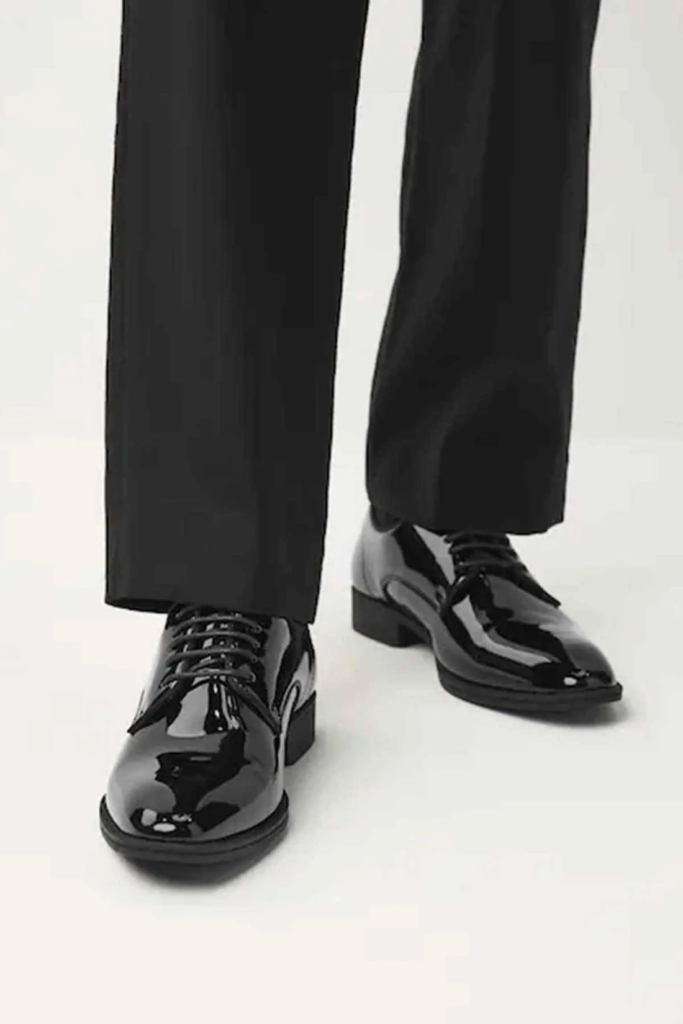
A clean pair instantly reads as more put-together than a scuffed one among dress shoes for men, even with the exact same outfit worn on top. The ones that hold their shine and shape longest tend to be worth spending more on among formal shoes for men in Pakistan specifically, since the signal depends entirely on condition staying intact over time.
Heels Signal Something Different Entirely
Heels don’t really map onto the same “structured equals deliberate” logic dress shoes do. A heel already signals effort and occasion by its very shape, the real question becomes which occasion it’s actually built for.
Something, an event, a meeting, a moment that needs to be read as considered, tends to be what a sharper, more formal heel signals most clearly. Carrying more weight in a first impression than people expect, formal shoes for women built this way tend to stand out partly because heels are rarely an accidental choice the way sneakers sometimes are.
A more wearable, everyday-leaning ladies heel signals something gentler, still put-together, just less occasion-specific.
Block Heels Split the Difference
A full stiletto demands a certain kind of occasion. A flat demands almost none. Sitting right between those two signals are block heels for women, polished enough to read as deliberate, stable enough to actually wear through a full day.
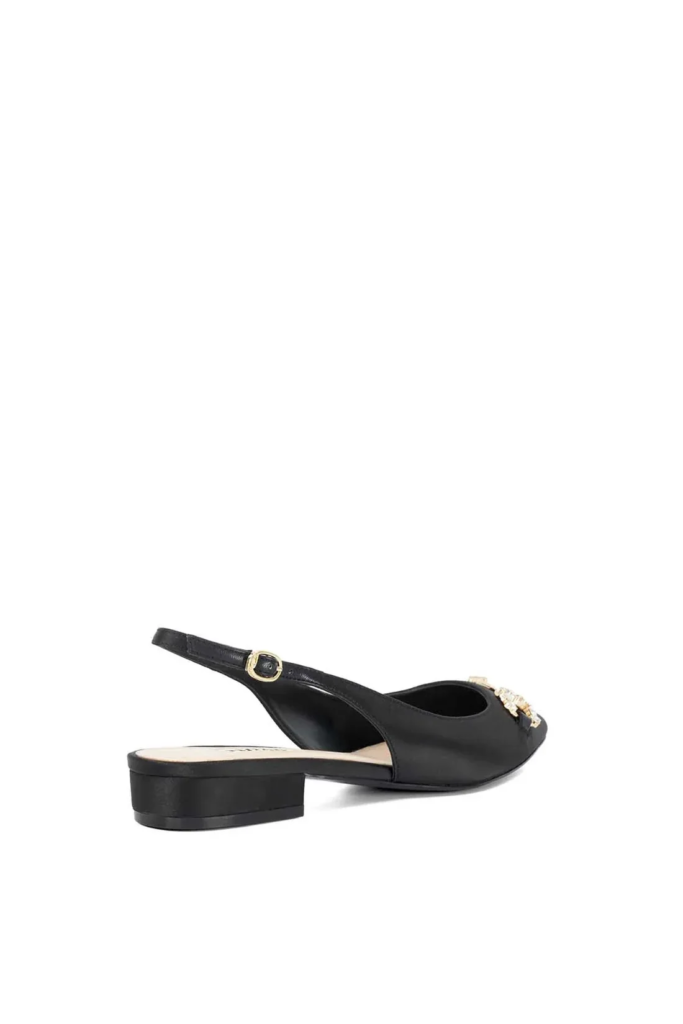
That middle ground is probably why they get reached for so often, less to think about, less to manage, still reads as intentional.
A quick guide to what shoe condition tends to signal, loosely based on the study:
- Scuffed or worn down: reads as low attention to detail, whether or not that’s accurate
- Bright or unusual color: reads as confident, outgoing
- Spotless but clearly broken in: reads as careful, consistent
- Brand new, barely worn: can read as image-conscious, per the attachment anxiety finding
Loafers Read as Casual but Still Intentional
Loafers occupy a genuinely useful middle zone, not as formal as a dress shoe, not as casual as a sneaker. That in-between quality is really the whole appeal.

Exactly the situations dress shoes feel like overkill for and sneakers feel underdressed tend to be where loafers for women in Pakistan work best, an office that isn’t strictly formal, a dinner that isn’t strictly an event.
Choosing Footwear With the Research in Mind
Condition matters more than brand, based on what the study actually found. A clean, well-maintained pair signals more than an expensive pair that’s visibly worn down.
Brand first, price second, condition last, that’s roughly how men’s footwear decisions usually get made, probably the reverse of what actually shapes a first impression according to the research.
Occasion tends to drive the decision differently on the women’s side, at least based on how differently heels and flats signal compared to dress shoes and sneakers. Narrowing women’s footwear choices by starting with where the shoe is actually going, an event, an office, a casual day, tends to work faster than starting with style or color.
A few pairings worth keeping in mind for specific situations:
- Interview: dress shoes or formal shoes, condition matters more here than almost anywhere else
- Casual weekend: loafers or a worn-in flat, nothing that needs to look brand new
- Semi-formal event: a block heel over a full stiletto, polished without demanding the same effort all evening
- Long workday: anything practical and already broken in, comfort reads as agreeable, not careless
What a Photo Can’t Show
Condition and structure are hard to judge from a product photo, the exact qualities the research found mattered most. Checking material and sole details first matters a lot when buying online men’s shoes in Pakistan, since photos make it hard to judge how a shoe will actually hold its shape over time.
A heel’s actual comfort and structure rarely come through clearly in a photo either, which applies just as much to online women’s shoes.
Where to Actually Shop
A few names show up consistently for actual quality and fit. Worth the extra cost, based on everything the research suggests about condition mattering most, are the men’s shoe brands in Pakistan that hold their shape and shine over time. A wider range across heels, flats, and loafers among ladies shoes brands in Pakistan makes it easier to match the shoe to the actual occasion, rather than one style doing every job.
Where This Leaves the Closet
Shoes get chosen last and apparently noticed first, which is a strange order once the research actually gets laid out like this.
Worth flipping that order occasionally, picking the shoe with some real thought before building the rest of the outfit around it.