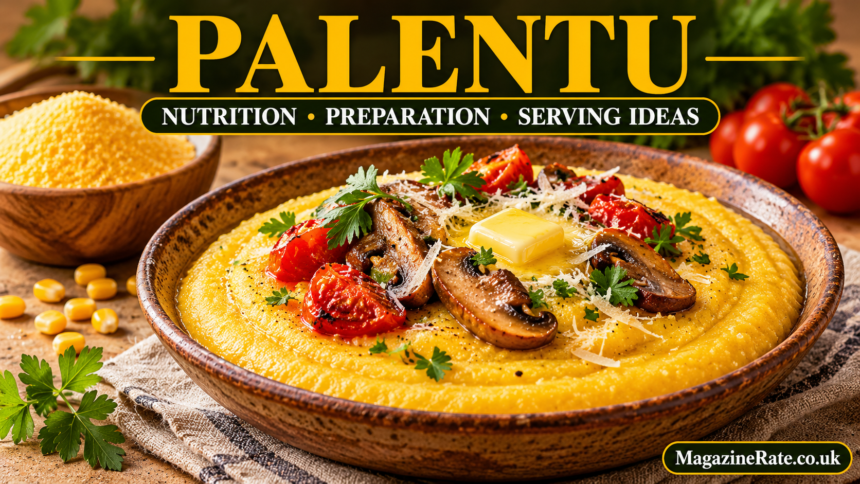
Palentu is a traditional cornmeal dish that demonstrates how simple ingredients can become an important part of food culture. Known more widely as polenta, this comforting dish has deep connections with Italian cooking and is enjoyed in different forms across several European regions. Its appeal comes from its straightforward preparation, adaptable texture, mild flavour, and ability to complement a wide range of ingredients.
Made primarily from ground cornmeal cooked in water, milk, or broth, palentu can be served as a smooth and creamy meal or allowed to cool until firm enough to slice, grill, bake, or fry. This flexibility makes it suitable for breakfast, lunch, dinner, and even creative side dishes. Depending on the cornmeal used and the cooking technique, its consistency can range from soft and delicate to firm and slightly grainy.
Beyond its culinary appeal, palentu also offers an interesting nutritional profile. It provides carbohydrates for energy, contains some dietary fibre depending on the type of cornmeal, and is naturally gluten-free when prepared with suitable ingredients and protected from cross-contact.
Understanding its ingredients, nutritional qualities, preparation methods, and serving possibilities helps explain why this traditional corn-based food continues to find a place in modern kitchens.
What Is Palentu?
Palentu is a regional name associated with polenta, a traditional dish prepared by cooking ground cornmeal in liquid until it reaches the desired consistency. Although the spelling and pronunciation may vary between regions, the basic preparation remains similar.
The dish is particularly associated with Italian cuisine, where it has traditionally been served as an everyday staple. Yellow cornmeal is commonly used, although white cornmeal and different grinding styles can also produce variations in colour, flavour, and texture.
One of the most interesting characteristics of palentu is that it is both an ingredient-based preparation and a finished dish. The dry cornmeal can be purchased separately, while the cooked version becomes a versatile foundation for numerous meals.
Unlike foods that require complicated preparation or expensive ingredients, traditional palentu relies on a small number of basic components. Water, cornmeal, and salt are generally enough to prepare a simple version. Additional ingredients such as butter, cheese, milk, herbs, and vegetables can be introduced to create different flavours.
Its mild corn flavour also makes it easy to combine with savoury sauces, roasted vegetables, mushrooms, meat, and seafood.
| 🔗 You may also like: |
| Making better use of existing homes a new perspective on urban living in thailand |
| Heartfelt apology gift ideas |
The History and Cultural Background of Palentu
The history of polenta is connected with the wider history of grain-based cooking in Europe. Long before corn became widely available in Italy, similar porridge-style dishes were prepared using grains and other starchy ingredients, including barley, millet, and chestnut flour.
Corn, also known as maize, was introduced to Europe from the Americas following the period of transatlantic exploration. Over time, it became an important agricultural crop in several European regions.
Northern Italy played a particularly significant role in the development of corn-based polenta. The dish became an affordable and practical food for rural communities because cornmeal could be prepared with relatively inexpensive ingredients.
Historically, families often served it alongside vegetables, cheese, beans, meat, or simple sauces. Its ability to provide a filling meal made it an important part of everyday cooking.
As food traditions developed, different communities introduced their own preparation techniques and serving styles. Some preferred soft polenta served directly from the cooking pot, while others allowed it to cool before cutting it into portions.
Today, polenta is recognised beyond its original regional associations. It appears in home cooking, restaurants, traditional European recipes, and contemporary food presentations.
For additional historical information, readers can explore the Wikipedia guide to Polenta, which provides an overview of its origins, ingredients, geographical associations, and traditional preparation.
Main Ingredients Used in Palentu
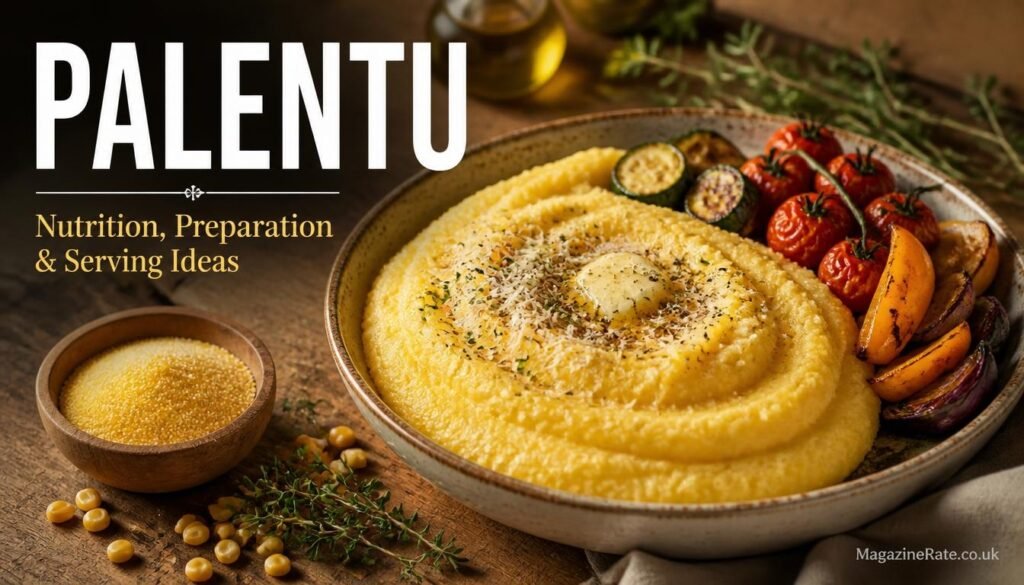
Traditional palentu does not require a long ingredient list. Its basic preparation depends on the relationship between cornmeal and liquid.
Cornmeal: Cornmeal is the primary ingredient. It is produced by grinding dried corn kernels into different textures. Coarse cornmeal creates a more noticeable grain structure, while finer varieties generally produce a smoother consistency.
Water: Water is the traditional cooking liquid. It allows the cornmeal to absorb moisture and gradually develop a thick, porridge-like texture.
Salt: A small amount of salt improves the natural flavour of cornmeal and gives the dish a more balanced taste.
Butter: Butter can be added towards the end of cooking to create a richer flavour and smoother texture.
Cheese: Parmesan and other cheeses are popular additions. They introduce savoury flavours and make the finished dish creamier.
Milk or broth: Milk can produce a richer preparation, while vegetable or chicken broth provides additional savoury flavour.
The quantity of each ingredient depends on the desired result. A commonly used starting ratio is approximately one cup of dry cornmeal to four cups of liquid. More liquid can be added when a softer consistency is preferred.
How to Prepare Palentu at Home
Preparing palentu is relatively straightforward, although attention to the cooking process is important. Adding cornmeal too quickly can create lumps, while insufficient cooking may leave the finished dish gritty.
Step 1: Prepare the Ingredients
Measure the required quantity of cornmeal and liquid before starting. For a basic preparation, use approximately one cup of cornmeal, four cups of water, and a teaspoon of salt.
Butter and grated cheese can be prepared separately for adding later.
Step 2: Heat the Liquid
Pour the water into a suitable cooking pot and bring it to a gentle boil. Add the salt and stir until it dissolves.
If you prefer a richer flavour, replace some of the water with milk or broth.
Step 3: Add the Cornmeal Gradually
Reduce the heat slightly and slowly pour the cornmeal into the hot liquid.
Whisk continuously while adding it. This helps distribute the grains evenly and reduces the likelihood of lumps forming.
Step 4: Cook Until Thick and Smooth
Allow the mixture to simmer over low heat while stirring regularly.
Instant polenta may cook within a few minutes, whereas traditional coarse cornmeal can require considerably longer. Depending on the product, cooking may take approximately 15 to 45 minutes or more.
The mixture should gradually become thicker and develop a soft, cohesive texture.
Step 5: Add Butter and Cheese
Once the cornmeal has cooked sufficiently, remove the pot from the heat.
Add butter, grated Parmesan, or another preferred cheese. Stir until the ingredients are incorporated.
Step 6: Serve While Warm
Soft palentu can be transferred directly to a serving bowl or plate. It can be served with vegetables, sauces, roasted meat, or other preferred toppings.
For a firmer version, spread the cooked mixture into a shallow dish and allow it to cool before slicing.
Nutritional Value of Palentu
Palentu is primarily a carbohydrate-based food because its main ingredient is cornmeal. Its nutritional composition depends on the corn variety, grinding process, serving size, and additional ingredients.
Plain palentu prepared with water generally has a relatively simple nutritional profile. Adding cheese, butter, cream, or milk changes its overall calorie, fat, protein, and mineral content.
Carbohydrates and Energy
Carbohydrates are the main macronutrient found in cornmeal. They provide energy that the body uses for everyday activities and normal physiological functions.
A serving of palentu can therefore contribute to the carbohydrate portion of a balanced meal. Its suitability depends on individual dietary requirements and portion sizes.
Dietary Fibre
Cornmeal contains dietary fibre, although the amount varies according to how the corn is processed.
Less-refined and whole-grain cornmeal generally retains more of the natural components of the corn kernel. Fibre supports normal digestive function and contributes to a balanced eating pattern.
Protein Content
Palentu provides some plant-based protein, but it should not be considered a particularly protein-rich food.
Combining it with beans, lentils, eggs, fish, meat, or cheese can create a more balanced meal with additional protein.
Vitamins and Minerals
Cornmeal can contribute nutrients such as iron, magnesium, phosphorus, and certain B vitamins. However, the exact quantities depend on the cornmeal variety and whether it has been fortified.
For this reason, the nutritional value of one palentu recipe may differ considerably from another.
Fat Content
Plain palentu made with water is naturally low in fat. Its fat content increases when butter, cheese, cream, or cooking oils are included.
People who prefer a lighter preparation can use vegetable broth, herbs, and spices to develop flavour without relying heavily on additional fats.
Potential Health Benefits of Palentu
Palentu can be included in a balanced eating pattern, particularly when prepared with simple ingredients and served alongside vegetables and protein sources.
Naturally Gluten-Free
One of the main dietary characteristics of cornmeal is that it does not naturally contain gluten.
This makes basic cornmeal preparations a possible option for people following gluten-free diets. However, packaged cornmeal may experience cross-contact with wheat or other gluten-containing grains during manufacturing.
People with coeliac disease should select products clearly labelled gluten-free and check the ingredients and preparation environment.
The organisation Beyond Celiac provides additional information about polenta, gluten-free ingredients, and potential cross-contact concerns.
Provides Dietary Energy
Because cornmeal contains carbohydrates, palentu can contribute energy to everyday meals.
It works particularly well as a foundation for meals containing vegetables, legumes, and protein-rich ingredients.
Offers Meal Flexibility
Another practical advantage is its versatility. The same basic preparation can be adapted to different nutritional preferences.
For example, adding beans and vegetables can increase the variety of nutrients in a meal, while using moderate quantities of butter and cheese can help manage additional saturated fat.
Can Fit Different Eating Preferences
Palentu can be prepared using plant-based ingredients or traditional dairy products.
A simple water-based recipe is suitable for vegan diets, provided that the remaining ingredients and toppings are also plant-based.
Its adaptability makes it useful for households with different food preferences.
| 🔗 You may also like: |
| Expanded polystyrene packaging protect products during transport |
| Cooling tower water treatment managing legionella risk in humid climates |
Different Varieties of Palentu
Palentu is not limited to one particular colour, texture, or cooking method. Different types of cornmeal create different results.
Yellow Palentu
Yellow cornmeal is among the most recognisable varieties used for polenta. It produces a golden appearance and a characteristic corn flavour.
Its texture depends on the grinding process, with coarse varieties generally providing more noticeable graininess.
White Palentu
White cornmeal creates a lighter-coloured preparation. It is used in several regional cooking traditions and offers a relatively mild flavour.
It can be served with cheese, vegetables, seafood, and savoury sauces.
Coarse-Ground Palentu
Coarse-ground cornmeal produces a more textured dish. It may require a longer cooking period because the larger particles need additional time to absorb liquid and soften.
This variety is often preferred when a traditional, substantial texture is desired.
Fine-Ground Palentu
Fine-ground cornmeal creates a smoother preparation and can be useful when a softer consistency is preferred.
It may cook more quickly than some coarse varieties, depending on the product.
Instant Palentu
Instant polenta is a convenient option for people who want to prepare the dish quickly.
It is generally pre-cooked or processed to reduce the preparation time. Following the manufacturer’s instructions is important because water ratios and cooking times can differ between products.
Popular Ways to Serve Palentu
The versatility of palentu becomes particularly clear when exploring its serving possibilities. It can be presented as a simple side dish or developed into a more complete meal.
Creamy Palentu with Cheese
Creamy palentu with grated Parmesan is a classic combination. The cheese melts into the warm cornmeal, creating a smooth and savoury preparation.
Fresh black pepper and a little butter can add further flavour.
Palentu with Roasted Vegetables
Roasted vegetables provide colour, texture, and additional nutrients.
Mushrooms, courgettes, peppers, aubergines, and tomatoes work particularly well. A small amount of olive oil and fresh herbs can bring the ingredients together.
Grilled Palentu Slices
Cooked palentu can be transferred to a flat dish and allowed to cool until firm.
Once set, it can be cut into squares, triangles, or rectangular slices. These portions can then be grilled or baked until the outside becomes lightly crisp.
Palentu with Mushroom Sauce
Mushrooms are a popular accompaniment because their earthy flavour complements the mild taste of cornmeal.
A sauce made with mushrooms, garlic, herbs, and vegetable broth creates a satisfying vegetarian meal.
Palentu with Meat or Seafood
Palentu can also be served with slow-cooked meat, sausages, fish, or seafood.
The soft texture provides a useful contrast to richer sauces and roasted ingredients.
Sweet Breakfast Palentu
Although it is commonly associated with savoury dishes, palentu can also be prepared as a breakfast meal.
Using milk instead of water creates a richer base. Fresh fruit, nuts, cinnamon, and a small amount of honey can provide sweetness.
Palentu vs. Other Cornmeal Dishes
Palentu is sometimes compared with other traditional foods made from ground corn. Although these dishes share similar ingredients, their preparation and cultural backgrounds can differ.
Palentu and grits: Both are cooked cornmeal dishes, but they are associated with different culinary traditions. Southern American grits are commonly prepared using dent corn, while traditional Italian polenta is often associated with flint corn.
Palentu and cornmeal porridge: Cornmeal porridge is a broader category of food found in several countries. Its consistency, seasoning, and serving traditions depend on local preferences.
Palentu and cornbread: Cornbread is a baked preparation that generally combines cornmeal with other ingredients. Palentu, by contrast, is initially cooked as a liquid-based mixture.
These comparisons show how one basic agricultural ingredient can become part of several different food traditions.
Common Mistakes to Avoid When Cooking Palentu
Even though palentu uses simple ingredients, a few preparation mistakes can affect its final texture.
Adding cornmeal too quickly: Pouring all the cornmeal into boiling liquid at once can create lumps. Adding it gradually while whisking helps prevent this problem.
Using excessive heat: Very high heat can cause the mixture to stick to the bottom of the pot. Low or medium-low heat generally provides better control.
Ignoring cooking instructions: Instant and traditional cornmeal have different cooking requirements. Always check the product packaging.
Using too little liquid: Insufficient liquid may produce an overly thick or dry preparation. Adding warm water or broth gradually can help adjust the consistency.
Adding too much butter or cheese: These ingredients improve flavour but can significantly change the nutritional composition of the finished meal.
How to Store and Reuse Leftover Palentu
Leftover palentu can be stored and used in several ways.
Allow the cooked mixture to cool before transferring it into an airtight food-safe container. Refrigerate it promptly and follow standard food-safety guidance for cooked leftovers.
When refrigerated, it becomes firmer as it cools. This change in texture makes it easier to cut into portions for later cooking.
Reheated soft palentu can be loosened with a little water, milk, or broth while stirring gently over low heat.
Firm portions can be baked, grilled, or pan-cooked with a small amount of oil. They can also be used as a base for vegetable toppings, tomato sauce, or cheese.
Is Palentu Suitable for Everyday Meals?
Palentu can be included in everyday meals, but its overall nutritional value depends on how it is prepared and what accompanies it.
Eating it alongside vegetables, legumes, and suitable protein sources can create a more balanced plate.
Portion size is also important. Since cornmeal is primarily a source of carbohydrates, people managing their carbohydrate intake should consider their individual dietary needs.
Anyone following a medically prescribed diet should select ingredients and serving sizes according to professional dietary guidance.
Conclusion
Palentu represents the lasting appeal of traditional food prepared with simple and accessible ingredients. Its connection with Italian culinary heritage, adaptable consistency, and variety of serving options make it an interesting dish for both traditional and modern kitchens.
From creamy cornmeal served with cheese to firm slices prepared on a grill, palentu offers several ways to enjoy the natural flavour of corn. Its carbohydrate content, potential contribution of dietary fibre, and naturally gluten-free ingredients also make it a useful option within different meal-planning approaches.
Whether prepared as a comforting breakfast, a savoury side dish, or the foundation of a complete meal, palentu demonstrates that traditional recipes can remain relevant through changing food preferences. Understanding its ingredients, cooking techniques, varieties, and nutritional characteristics makes it easier to appreciate this versatile cornmeal dish and incorporate it into everyday cooking.
FAQs
What is palentu made from?
Palentu is generally made from ground cornmeal cooked in water, milk, or broth. Salt, butter, and cheese can be added for flavour and texture.
Is palentu the same as polenta?
Palentu is a regional name associated with polenta. Both generally refer to a traditional preparation of cooked cornmeal, although regional recipes and naming conventions may differ.
Is palentu naturally gluten-free?
Yes. Plain cornmeal and water are naturally gluten-free ingredients. However, people with coeliac disease should check product labels and possible cross-contact during processing and preparation.
How long does palentu take to cook?
Instant varieties may take approximately three to five minutes, while traditional coarse cornmeal can require 30 to 45 minutes or longer. Actual cooking time depends on the product and desired consistency.
Can palentu be eaten cold?
Yes. Cooked palentu can be cooled until firm, sliced, and then grilled, baked, or fried. It is generally more enjoyable when reheated or prepared as a cooked slice rather than eaten straight from refrigeration.
What foods go well with palentu?
It pairs well with mushrooms, roasted vegetables, tomato sauces, beans, cheese, meat, fish, and seafood. Sweet versions can also be served with fruit and nuts.
Is palentu suitable for vegetarians?
Yes. A basic preparation made with cornmeal, water, and salt is vegetarian. However, ingredients such as meat-based broth should be avoided when preparing a vegetarian version.