Healthcare is becoming more focused on personalized treatment, physical independence, and long-term well-being. People dealing with injuries, neurological conditions, movement difficulties, or developmental challenges often need more than general medical advice. They need professional guidance and rehabilitation programs that address their individual needs.
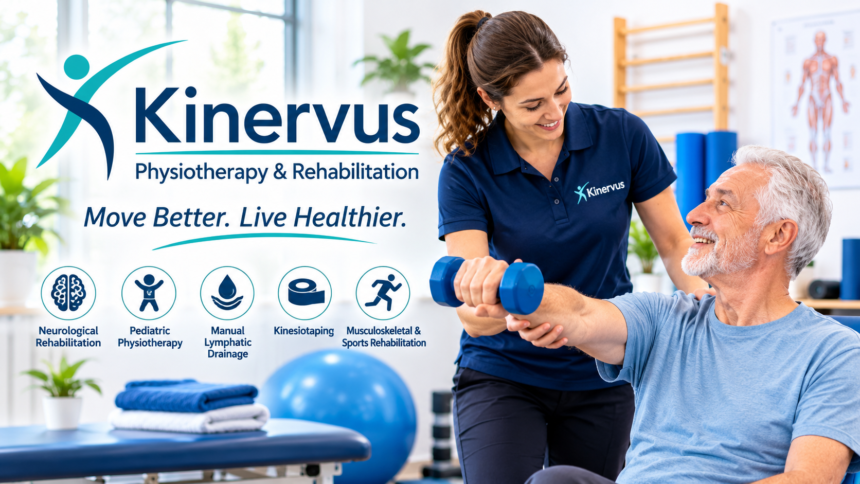
Kinervus is a physiotherapy and rehabilitation practice located in Alken, Limburg, Belgium. Founded by physiotherapist Stefanie Ver Eecken in 2019, the practice focuses on specialized rehabilitation, including neurological physiotherapy, pediatric rehabilitation, manual lymphatic drainage, and kinesitherapy. Its approach emphasizes personal attention, practical recovery goals, and treatment adapted to each patient’s condition.
Physical therapy also has an important connection with brain health. The brain controls movement, balance, coordination, and many everyday activities. When neurological conditions affect these functions, rehabilitation can help patients practice important physical skills and maintain greater independence. Understanding this relationship provides useful insight into modern rehabilitation and the services associated with Kinervus.
This guide explores what Kinervus offers, how its rehabilitation approach works, the importance of neurological and pediatric physiotherapy, and how specialized treatments can support physical recovery and overall well-being.
What Is Kinervus?
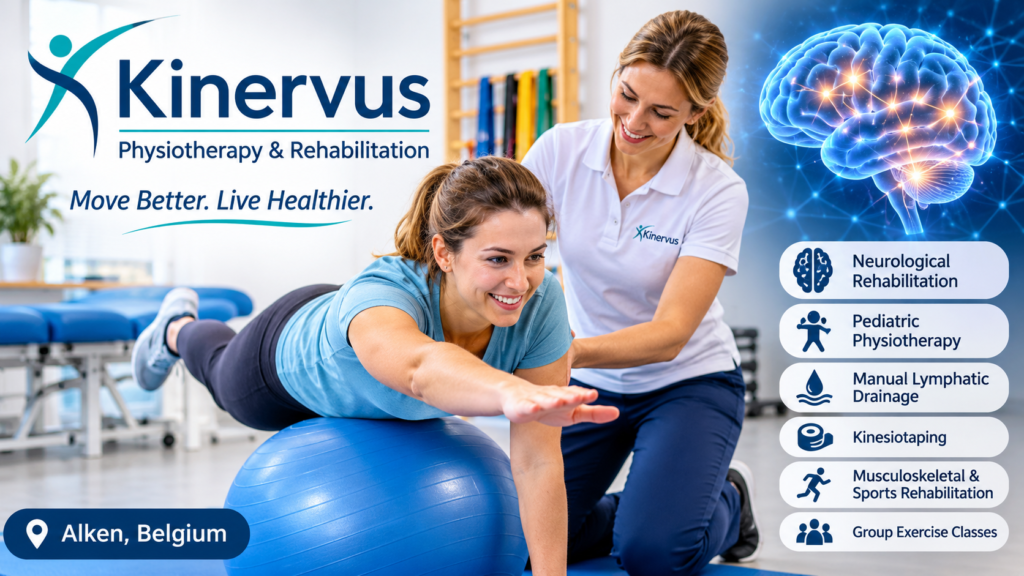
Kinervus is a specialized physiotherapy group practice in Alken, Belgium. It provides rehabilitation services for people experiencing neurological, physical, developmental, and movement-related difficulties. Rather than relying on one standard treatment program, the practice emphasizes individual assessment and personalized therapy.
The main objective of rehabilitation is to improve physical function and help patients manage everyday activities more effectively. Depending on their condition, patients may need support with walking, balance, muscle control, joint movement, coordination, or physical strength. A suitable treatment plan considers these challenges before selecting appropriate exercises and therapeutic techniques.
Kinervus was established by Stefanie Ver Eecken, whose professional interests include rehabilitation sciences and neurological physiotherapy. Her additional training in manual lymphatic drainage using the Vodder method helped establish the practice’s specialized treatment focus.
The practice brings together different rehabilitation areas under one roof. These include neurological rehabilitation, pediatric care, manual lymphatic drainage, kinesiotaping, and group exercise activities. This range makes it relevant to patients with different ages, physical abilities, and rehabilitation goals.
| 🔗 You may also like: |
| Metformin Online: A Convenient Approach to Metabolic Wellness |
| Metronidasool Medication Guide: How It Works, What It Treats, and Safety Precautions |
Understanding the Connection Between Physical Therapy and Brain Health
Physical movement and brain function are closely connected. The nervous system controls muscle activity, interprets sensory information, maintains balance, and coordinates movements. Even simple activities such as standing, walking, reaching, or climbing stairs require communication between the brain, spinal cord, nerves, and muscles.
When an injury or neurological condition disrupts this communication, everyday activities can become difficult. A person may experience weakness, poor coordination, balance problems, muscle stiffness, or reduced control over certain movements. Physiotherapy helps address these difficulties through structured exercises and functional movement practice.
How Movement Supports Brain Function
Physical activity involves several brain processes, including attention, coordination, planning, and sensory processing. For example, walking across an uneven surface requires the brain to interpret information from the eyes, inner ear, muscles, and joints before adjusting body movements.
Repeated physical practice can also support neuroplasticity, which describes the nervous system’s ability to adapt and reorganize. This ability is particularly important during rehabilitation because patients may need to develop alternative movement strategies or improve control over affected body parts.
However, physical rehabilitation should not be confused with a guaranteed treatment for memory loss or other cognitive conditions. Its neurological benefits depend on the person’s diagnosis, abilities, and treatment objectives.
Why Integrated Rehabilitation Matters
Physical limitations can affect more than movement. Someone experiencing balance difficulties may become less confident about walking outdoors. A person recovering from a stroke may struggle with daily tasks that previously required little effort. These challenges can influence independence, social participation, and emotional well-being.
A personalized rehabilitation program considers these connected difficulties. By working on physical abilities and practical daily activities, therapy can help patients develop greater confidence and participate more comfortably in everyday life.
Neurological Rehabilitation at Kinervus
Neurological rehabilitation is one of the central specializations of Kinervus. It supports people whose conditions affect the brain, spinal cord, or peripheral nervous system.
Neurological disorders can influence muscle strength, balance, coordination, walking ability, and general movement control. Since these effects differ between individuals, treatment needs to reflect the patient’s specific condition and functional limitations.
Kinervus identifies several neurological conditions within its rehabilitation services, including stroke, multiple sclerosis, Parkinson’s disease, ALS, spinal cord injuries, traumatic brain injuries, neuromuscular disorders, peripheral nerve injuries, and vertigo-related complaints.
Stroke Rehabilitation
A stroke can interrupt the blood supply to part of the brain, potentially affecting movement, sensation, speech, and coordination. Some patients experience weakness on one side of the body, difficulty walking, or reduced control over their arms and hands.
Physiotherapy can help stroke survivors practice movements and improve their ability to perform everyday activities. Depending on the patient’s condition, treatment may involve balance training, walking exercises, muscle activation, coordination activities, and repeated functional tasks.
The purpose is not simply to strengthen muscles. Rehabilitation also works on movement control and practical independence. Activities such as standing from a chair, reaching for objects, or moving safely around the home can become important treatment goals.
Parkinson’s Disease Rehabilitation
Parkinson’s disease affects the nervous system and can create movement-related symptoms such as stiffness, tremors, slower movements, and balance difficulties.
Physiotherapy can support people with Parkinson’s disease by working on flexibility, posture, walking patterns, strength, and functional movement. Exercises may also focus on larger movements and coordination to help patients manage everyday physical challenges.
Treatment should be adjusted according to the person’s symptoms and abilities. Regular professional guidance can help patients maintain activity and work toward preserving independence as their condition changes.
Multiple Sclerosis and Other Neurological Conditions
Multiple sclerosis affects the central nervous system and may cause fatigue, muscle weakness, balance difficulties, stiffness, and coordination problems. Symptoms can vary considerably between patients and may change over time.
A suitable rehabilitation plan can focus on maintaining mobility, improving physical capacity, and managing movement difficulties without placing unnecessary demands on the patient.
People with ALS, spinal cord injuries, traumatic brain injuries, and neuromuscular conditions may also require specialized physiotherapy. Their programs need to account for individual limitations, safety considerations, and long-term functional needs.
Neuroplasticity and Functional Recovery
Neuroplasticity is the nervous system’s ability to change its connections and activity in response to learning, experience, and repeated practice. It plays an important role in understanding how rehabilitation can support people after neurological injuries or during the management of certain neurological conditions.
For example, a patient recovering from a stroke may practice reaching toward an object several times during a supervised session. Repeated practice gives the nervous system opportunities to work on movement control and coordination.
Repetition and Task-Specific Training
Rehabilitation exercises are most useful when they relate to the patient’s actual functional needs. Someone struggling with walking may practice standing, weight shifting, stepping, and maintaining balance. Another patient may work on hand coordination to improve their ability to hold objects.
These activities allow patients to practice specific movements instead of concentrating exclusively on isolated muscle exercises.
Cognitive and Motor Coordination
Some rehabilitation activities involve both physical movement and mental attention. These are sometimes called dual-task exercises.
For example, a patient may practice walking while responding to simple questions or completing a basic mental task. Such activities can challenge coordination and attention together when they are appropriate for the patient’s abilities.
Kinervus team information specifically mentions exercises involving cognitive or motor dual tasks. These activities illustrate the connection between movement practice and brain-related functions.
Pediatric Physiotherapy and Motor Development
Children develop physical abilities through movement, exploration, and repeated practice. Some children, however, experience difficulties involving coordination, posture, muscle control, or motor development. Pediatric physiotherapy provides professional support for these challenges.
Kinervus includes pediatric rehabilitation among its specialized services. Treatment is adapted to the child’s age, developmental stage, physical abilities, and individual requirements.
Supporting Developmental Milestones
Important developmental milestones include sitting, crawling, standing, walking, and developing coordinated movements. Children do not all achieve these abilities at exactly the same age, but certain delays or movement difficulties may require professional assessment.
A pediatric physiotherapist can evaluate the child’s movement patterns and identify areas that may benefit from additional support.
Play-Based Physical Activities
Children often respond better to activities that feel engaging and enjoyable. Physiotherapy may therefore use age-appropriate exercises, movement games, balance activities, and practical tasks.
These activities can help children practice coordination, body awareness, strength, and movement control in a supportive environment.
Family Participation
Parents and caregivers play an important role in supporting children’s development. They can discuss progress with the therapist and learn how suitable activities can be included in everyday routines.
The purpose is to make rehabilitation meaningful beyond individual appointments while respecting the child’s needs and comfort.
| 🔗 You may also like: |
| Sleeve, Bypass or Balloon: Choosing the Right Weight Loss Operation Before You Travel |
| Gastric Surgery Turkey |
Manual Lymphatic Drainage Using the Vodder Method
Manual lymphatic drainage is another specialized treatment associated with Kinervus. The practice describes its approach as manual lymphatic drainage according to the Vodder method.
The lymphatic system is a network of vessels and lymph nodes that helps maintain fluid balance and supports immune function. When lymphatic drainage becomes impaired, fluid may accumulate in body tissues, causing swelling known as lymphedema.
How Manual Lymphatic Drainage Works
The Vodder method uses gentle, controlled, and rhythmic manual movements. Unlike deep-tissue massage, the technique involves light pressure designed to work with the superficial lymphatic system.
A trained therapist performs specific movements according to the patient’s condition and the area requiring treatment. The treatment aims to support lymphatic fluid movement and help manage swelling.
Who May Need This Treatment?
Manual lymphatic drainage may be considered for people with certain lymphatic conditions or swelling associated with medical procedures and other causes.
However, not every type of swelling should be treated with lymphatic massage. A healthcare professional should first assess the cause and determine whether the technique is appropriate.
Depending on the patient’s needs, treatment may form part of a broader lymphedema management plan that includes compression, exercise, skin care, and other recommended interventions.
Kinesiotaping for Muscle and Joint Support
Kinesiotaping is a physiotherapy technique that uses flexible elastic tape applied to specific areas of the body. Unlike rigid athletic tape, kinesiology tape is designed to allow normal movement while providing additional sensory feedback.
Kinervus lists kinesiotaping as one of its treatment options for different muscle, joint, tendon, and movement-related complaints.
Common Applications of Kinesiotaping
Depending on the assessment, kinesiotaping may be used alongside other physiotherapy treatments for:
- Muscle strains and sports-related injuries.
- Certain ligament and joint complaints.
- Neck and back discomfort.
- Knee and shoulder problems.
- Bruising and selected soft-tissue conditions.
- Some lymphatic-related complaints.
The tape’s purpose depends on its placement, application method, and the patient’s condition.
Does Kinesiotaping Replace Physiotherapy?
No. Kinesiotaping is generally considered a supportive technique rather than a complete rehabilitation program. It does not replace appropriate exercise, clinical assessment, or medical treatment.
A physiotherapist can determine whether taping is suitable and explain what benefits a patient can reasonably expect.
Musculoskeletal and Sports Rehabilitation
Musculoskeletal physiotherapy focuses on problems involving muscles, joints, tendons, ligaments, and other structures responsible for movement.
Kinervus team information includes musculoskeletal and sports rehabilitation among its areas of professional expertise. These services can be relevant to people dealing with sports injuries, physical discomfort, restricted movement, and difficulties returning to normal activities.
Sports Injury Recovery
Sports injuries can affect strength, flexibility, stability, and coordination. Returning to physical activity before recovering sufficient function may increase the risk of further problems.
A structured rehabilitation plan can help an athlete gradually rebuild physical capacity. Exercises may focus on mobility, muscle strength, balance, movement control, and activities related to the demands of a particular sport.
Manual Therapy and Dry Needling
The Kinervus team lists additional training in manual therapy and basic dry needling.
Manual therapy involves hands-on techniques used by trained physiotherapists to address selected movement restrictions and musculoskeletal complaints.
Dry needling involves inserting thin needles into selected muscular areas. It may be considered for certain muscle-related problems, depending on clinical assessment and professional judgment.
Neither technique should be viewed as a universal solution. Their suitability depends on the patient’s condition and the overall treatment plan.
Group Exercise and Rehabilitation Classes
Rehabilitation does not always take place through individual appointments. Group exercise can provide another structured way for patients to remain active while receiving professional supervision.
Kinervus offers group classes designed to encourage physical activity, consistency, education, and social interaction.
Physical Activity and Motivation
Group sessions can help participants establish regular exercise habits. Exercising alongside other people may also create opportunities to share experiences and develop a stronger sense of involvement.
For people living with neurological conditions, social interaction can be especially valuable because physical limitations sometimes reduce participation in everyday activities.
Professional Supervision
According to Kinervus, its group classes are guided by multiple therapists with neurological rehabilitation expertise. Exercises can be adapted according to individual needs and physical abilities.
The sessions also provide opportunities to learn about conditions, treatment options, and self-management strategies. This educational element helps participants understand how they can remain involved in their own rehabilitation.
How a Personalized Kinervus Treatment Plan Works
Personalized rehabilitation starts with understanding the patient rather than selecting exercises immediately. Different conditions require different approaches, and treatment needs to reflect the person’s current abilities and goals.
A typical rehabilitation process can involve several stages.
1. Initial Assessment
The therapist reviews the patient’s medical background, symptoms, physical abilities, and movement difficulties. Relevant medical documents and previous treatment information can help provide a clearer picture.
2. Setting Practical Goals
The next step is identifying meaningful rehabilitation goals. These may include improving walking ability, maintaining balance, increasing joint movement, strengthening muscles, or managing difficulties during everyday activities.
3. Selecting Suitable Treatment Methods
The therapist chooses appropriate exercises and techniques based on the assessment. Treatment may involve neurological exercise therapy, pediatric rehabilitation, manual lymphatic drainage, kinesiotaping, or other suitable physiotherapy approaches.
4. Monitoring Progress
Rehabilitation plans can change as patients improve or experience new challenges. Regular evaluation helps therapists determine whether exercises, treatment intensity, or functional goals need adjustment.
5. Maintaining Long-Term Progress
Patients may receive guidance about appropriate physical activity and exercises outside the clinic. Maintaining suitable movement habits can help support the functional improvements achieved during rehabilitation.
Preparing for Your First Kinervus Appointment
Preparing before a physiotherapy appointment can make the initial consultation more productive. Having the right information available helps the therapist understand the patient’s medical background and treatment needs.
Kinervus provides practical guidance for people attending their first appointment.
Bring the necessary documents: Patients should bring their identity card, health insurance or mutuality documentation, and a doctor’s prescription where required. Previous medical reports and a medication list can also be useful.
Wear comfortable clothing: Loose clothing and suitable sports shoes make it easier to perform movement assessments and physical exercises.
Explain your difficulties: Describe the activities that are difficult, when the symptoms started, and how they affect everyday life.
Discuss your goals: Explain what you hope to achieve through treatment. Practical goals help the therapist build a rehabilitation plan that reflects your personal priorities.
Appointments at Kinervus are arranged in advance. The practice recommends contacting the team directly to confirm an appointment.
Why Kinervus Focuses on Personalized Rehabilitation
One of the important aspects of rehabilitation is recognizing that a diagnosis does not explain every difficulty a patient experiences. Two people with the same neurological condition may have completely different movement abilities, daily routines, and recovery goals.
For example, one patient may need help improving walking stability, while another may require support with hand coordination or maintaining physical independence.
Personalized rehabilitation allows therapists to consider these differences when selecting treatment methods. It also creates opportunities to adjust exercises as the patient’s needs change.
Kinervus brings together several specialized areas of physiotherapy, allowing its team to work with neurological, pediatric, musculoskeletal, and lymphatic rehabilitation needs.
The combination of professional assessment, suitable treatment techniques, patient participation, and continued evaluation creates a structured approach to physical recovery.
Kinervus Location and Contact Information
Kinervus is based in Alken, in the Limburg province of Belgium. People interested in its physiotherapy and rehabilitation services can contact the practice directly for information about available treatments and appointments.
The publicly listed contact information includes:
- Practice: Kinervus
- Location: Steenweg 121 Z/C, 3570 Alken, Belgium
The practice provides treatments by appointment. Patients should confirm current availability, fees, reimbursement arrangements, and any required medical documentation before attending.
| 🔗 You may also like: |
| Cooling tower water treatment managing legionella risk in humid climates |
| Medical Business Loan Guide: Financing Equipment, Real Estate, and Growth |
Final Thoughts
Kinervus represents a specialized approach to physiotherapy and rehabilitation in Alken, Belgium. Its services cover several important areas, including neurological rehabilitation, pediatric physiotherapy, manual lymphatic drainage, kinesiotaping, and group exercise.
The connection between physical therapy and brain health is particularly important in neurological rehabilitation. Movement, coordination, balance, and functional activities all involve communication between the brain and the rest of the body. Structured rehabilitation gives patients opportunities to practice these abilities according to their individual conditions.
What makes personalized physiotherapy valuable is its focus on practical needs rather than a standard routine. Whether someone is managing a neurological condition, supporting a child’s motor development, or recovering from a physical injury, treatment should reflect their abilities and realistic goals.
Through specialized care, professional guidance, and individualized rehabilitation planning, Kinervus aims to help patients maintain or improve physical function, confidence, and independence in everyday life.
FAQs
What is Kinervus?
Kinervus is a physiotherapy and rehabilitation group practice located in Alken, Belgium. It specializes in neurological rehabilitation, pediatric physiotherapy, manual lymphatic drainage, and other movement-related treatments.
What services does Kinervus provide?
Its documented services include neurological rehabilitation, pediatric rehabilitation, manual lymphatic drainage using the Vodder method, kinesiotaping, and group exercise classes. Its team also has expertise in musculoskeletal rehabilitation, manual therapy, and dry needling.
Does Kinervus provide neurological rehabilitation?
Yes. Kinervus provides rehabilitation for people with conditions affecting the brain, spinal cord, and nervous system, including stroke, Parkinson’s disease, multiple sclerosis, ALS, spinal cord injuries, and traumatic brain injuries.
How does physiotherapy support brain health?
Physical activity involves brain functions responsible for movement, balance, coordination, and attention. Repeated, appropriately selected rehabilitation exercises can support motor learning and the nervous system’s ability to adapt.
Does Kinervus offer physiotherapy for children?
Yes. Pediatric rehabilitation is one of its specialized services. It supports children experiencing difficulties with movement, coordination, posture, and motor development through age-appropriate therapeutic activities.