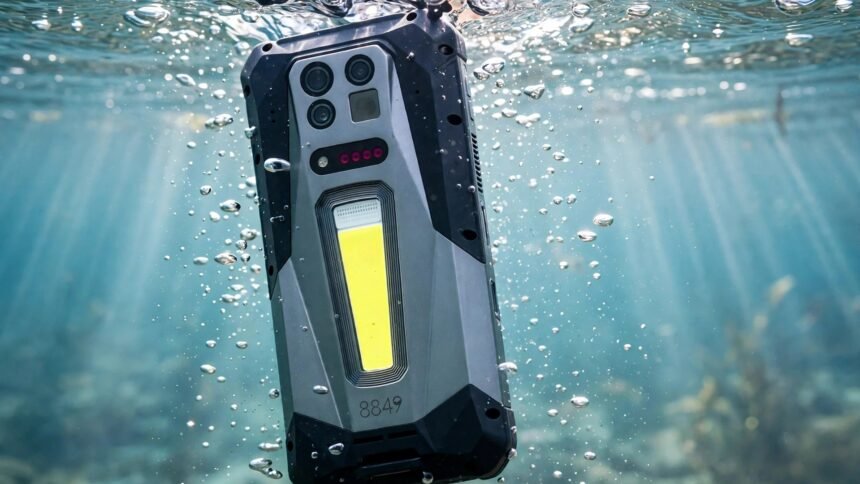
A phone with an IP68 rating sounds like it should be happy anywhere there is water. Plenty of people take that to mean they can film a swim, shoot photos at the beach, or rinse the phone under a tap without a second thought. Sometimes that works. Sometimes it ends with a foggy lens, a dead speaker, or a phone that will not charge.
This guide explains what a water rating actually promises, what it quietly leaves out, and why a phone that survives water is not the same as a phone you can use in it.
Can You Use a Phone Underwater?
A phone with a water rating can survive being underwater for a short time, but that is different from using it underwater. The rating describes survival in a laboratory test. It does not promise the touchscreen will work, the buttons will behave, or the seals will hold in a pool, the sea, or moving water.
In practice, water-resistance ratings are primarily intended to protect against accidental exposure under specified conditions, not regular underwater use.
What Does IP68 Mean for Water Resistance?
IP stands for Ingress Protection, and the code has two digits. The first covers dust, and a 6 means fully dust-tight. The second digit covers water protection. An 8 indicates protection against continuous immersion under conditions specified by the manufacturer. These conditions must be more severe than the IPX7 test, but the exact depth and duration can vary between devices.
IP69K is a separate water-protection rating. It covers resistance to high-pressure, high-temperature water jets under specified test conditions. It does not mean a phone can be used underwater at greater depths or for longer periods. IP68 and IP69K address different types of water exposure.
The important words are “the manufacturer specifies.” Every brand sets its own depth and duration, and the tests are run in a controlled laboratory with still, fresh water. So the rating tells you how a phone behaved in that setup, not how it will behave in a lake, a pool, or the ocean.
What Do IP Ratings Not Tell You?
- Several real-world factors sit outside what a rating covers:
- Moving or pressurized water: waves, currents, showers, and jets are different from still water
- Saltwater and chemicals: seawater, chlorinated pool water, and soap can damage seals and ports
- Hot water and steam: heat and humidity in showers, saunas, and hot tubs can weaken protection
- Age and wear: seals and port covers decline with time, so an older phone is less resistant than a new one
- Operating the phone: the rating covers surviving water, not using the touchscreen or buttons while wet
- Warranty coverage: many warranties exclude liquid damage, even for rated phones
Why Don’t Phone Touchscreens Work Underwater?
Most phone touchscreens work by sensing the electrical properties of your finger. Water also conducts electricity, so droplets and submersion confuse the screen. The result is ghost touches, missed taps, and a display that behaves unpredictably, even when nothing is broken.
That is why a phone can survive a swim and still be nearly unusable during it. Some phones offer workarounds, such as using a volume button as a camera shutter, but the safest option for real underwater use is a purpose-built waterproof case or housing with a depth rating.
Can You Swim or Take Underwater Photos With an IP68 Phone?
Brief immersion in clean fresh water within the manufacturer’s specified limits may be acceptable, but swimming, snorkeling, and diving introduce additional risks from movement, pressure, salt, and chemicals. Repeated exposure can also wear down protective seals.
If you want underwater photos, a dedicated waterproof housing is the more reliable route. If you use the phone directly, keep exposure short, stay within the rating, and rinse and dry the phone afterward.
What Should You Do After a Phone Gets Wet?
Follow these steps after any significant exposure:
Take the phone out of the water, turn it off, and disconnect any connected accessories. Avoid pressing buttons unnecessarily.
If the phone has been exposed to saltwater or chlorinated water, follow the manufacturer’s cleaning instructions. If permitted, gently rinse the affected exterior with fresh water.
- Wipe it dry and let it air dry in a ventilated space, without using high heat.
- Wait before charging, and never charge a wet phone or port.
- Check the speaker, microphone, camera, and charging port before resuming normal use.
Which Details Should You Read Before Trusting a Waterproof Claim?
Look past the badge to the fine print. Find the stated depth and duration, the type of water used in testing, and the manufacturer’s warnings about saltwater and chemicals. Check whether the company tells you to avoid operating buttons or ports in water, and what its warranty says about liquid damage. A manufacturer that explains the limits is easier to trust than one that only prints the rating.
Does a Rugged Phone Offer Better Water Protection?
A rugged phone is designed with additional physical protection, such as sealed ports, reinforced covers, and a tougher body. However, its actual water resistance still depends on its certified rating and manufacturer specifications. One example is the 8849 TANK 5 Pro, which combines a rugged design with IP68/IP69K water-resistance ratings. According to 8849, the phone was tested under IEC 60529 conditions in static fresh water up to 1.8 meters deep for a maximum of 30 minutes.
The manufacturer’s usage guidelines also explain the limitations of this protection. 8849 warns that seawater, swimming pool water, soapy water, and hot water may reduce protective performance, and it says not to operate buttons or ports underwater. The phone’s toolbox lists an underwater camera feature, yet the same page cautions against underwater operation, which shows how narrow “usable underwater” really is, even on a rugged device.
For accidents, 8849’s guidance matches the steps above: if the phone gets into saltwater or chlorinated liquids, take it out, turn it off, rinse with fresh water, wipe it dry, and air-dry it without powering on or using high heat. 8849 also notes that this kind of damage is not covered by warranty, and that water resistance is not permanent and can diminish with normal wear.
Conclusion
A water-resistance rating tells you how a phone performed under specific laboratory conditions, not how it will behave in a swimming pool, the sea, or moving water. Surviving accidental exposure is very different from operating a phone underwater.
The practical rule is to treat IP ratings as protection against accidents, not an invitation to go swimming. Check the manufacturer’s stated test conditions, keep port covers sealed, follow cleaning instructions after saltwater or chlorine exposure, and use a properly rated waterproof housing for deliberate underwater photography.
| You may also like: |
|---|
| RYAN London iPhone 18 Resale Value |
| New Laptop Status |